

Almost everybody knows the feeling of nervousness before a big meeting or a first date. That tightness in your stomach. The rush of worried thoughts. This temporary stress is a natural response, which keeps us alert and focused. But what happens if that feeling doesn’t fade? What if the intense worry stays long after the event is over?
For millions, anxiety moves past simple stress. It is a constant, draining presence. This condition affects your relationships. Your work. Your basic day-to-day comfort. It can interfere with your sense of well-being. The first step toward improvement is to realize the broad scope of this problem. You can find support for anxiety disorders at Dallas Whole Life.
The issue is found everywhere in the country. Anxiety disorders are the most prevalent mental health issue in the US. They impact over 40 million adults annually, according to the National Alliance on Mental Illness. Do you feel like your worries are taking over? Know this: you are absolutely not alone. There is hope for real relief.
When Anxiety Becomes More Than Just Worry
Everyone feels anxious sometimes. It’s a basic human experience. However, when that feeling lingers, it stops being a helpful warning sign. It turns into a genuine emotional and physical obstacle. High-level anxiety can start to impact your entire body and mind. This chronic stress is often far more complex than having a simple psychological issue.
Anxiety doesn’t just reside in your thoughts. It triggers a physical alarm system. This stress response floods your system with protective chemicals. With time, such a constant surge of tension generates a lot of internal wear and tear. We must pay attention to both the psychological distress and the noticeable bodily symptoms. We need to address this dual impact. It allows us to find practical solutions to help quiet this overwhelming response.
How Anxiety Affects You Mentally
The core symptoms of anxiety are centered, of course, on mental processes. It can feel like your brain simply won’t shut down. Your internal worry loop runs constantly. This obsessive pattern makes simple clarity almost impossible. It affects how you process the world around you. It often colors your perception with fear.
- Overthinking small issues. Constantly worrying about future events.
- Experiencing high irritability. A general sense of dread. Or sudden panic attacks.
- Finding it hard; To focus, maintain attention, or recall basic details.
- Feeling mentally disconnected from your body. Or sensing you are “stuck in your head.”

4 Physical Effects of Anxiety on the Body
Anxiety has a clear and measurable effect on your physical health. When your stress response is constantly activated, it causes visible, bodily changes. This is due to the fact that your nervous system misreads low-level stress as a serious threat. Your body prepares for a danger that is not actually present.
- A rapid heart rate. Heart palpitations. Shortness of breath.
- Persistent muscle tension. Stiffness. Overall physical fatigue.
- Unexplained headaches. Lightheadedness. Dizziness. Or recurring digestive issues.
- Restlessness at night. Difficulty falling asleep. Or chronic trouble sleeping.
The Mental and Emotional Toll of Anxiety
Mental and physical symptoms stack up. Then, they take a serious toll on your quality of life. Chronic anxiety moves beyond temporary discomfort. It begins to erode your ability to function. It diminishes your personal joy. It lowers your capacity for healthy connections.
- Impairment in focus, memory, and decision-making.
- Ineffective emotional regulation, resulting in irritability, panic, or dread.
- Strain on relationships and work productivity.
- Losing interest in things that once felt meaningful.
- Thinking too harshly about yourself.
- Feeling numb or disconnected from happy moments.
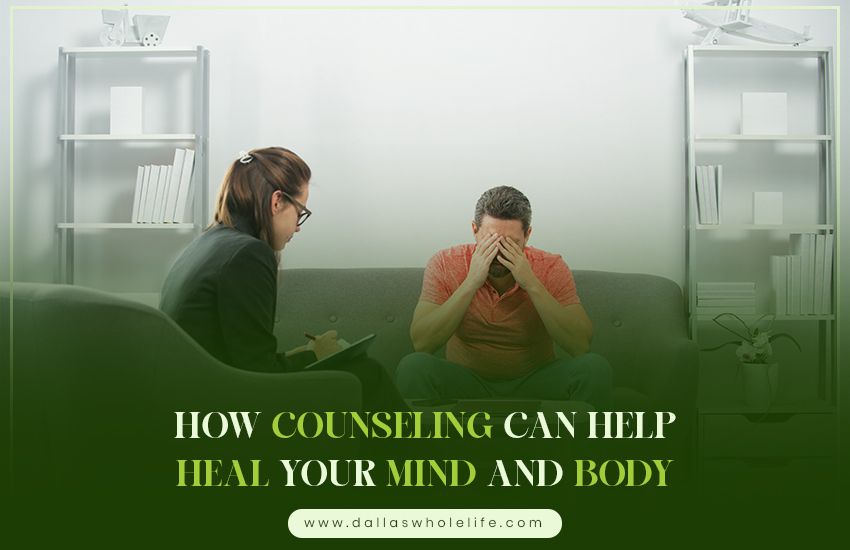
How Counseling Can Help Heal Your Mind and Body
You are not required to bear this burden by yourself. Getting the support of a professional is an extremely significant step towards getting your life back. Counseling provides you with the possibility to alleviate your nervous system and take charge of your thoughts. The therapist can assist you in uncovering the causes of your stress and suggest remedies that will last for a long time.
Traditional healing will make you realize what particular things and manner of thinking are behind your worry cycle. It’s about creating an understanding of how you are responding. Many successful ways exist to treat anxiety. Among them are Cognitive Behavioral Therapy and mindfulness-based therapy. CBT aims at a thorough reversal of stressful thoughts. MBT assists you in staying in the present moment. A professional with expertise in this area will be able to provide you with the necessary tools to experience peace that lasts. Start your recovery today by contacting Dallas Whole Life!
Frequently Asked Questions (FAQs)
Q1: What are the physical feelings of anxiety?
Anxiety can make your heart beat fast. It causes you to feel short of breath. You might also notice muscle tension (tight muscles). Headaches. Or a stomachache.
Q2: What is the best treatment for anxiety?
The most beneficial treatment is usually counseling or therapy. Like Cognitive Behavioral Therapy (CBT). Sometimes, a doctor may suggest medication along with therapy. It helps manage strong symptoms.
Q3: How to make physical symptoms of anxiety go away?
You can calm physical symptoms with simple techniques. Try deep, slow breathing. It will relax your body. Use mindfulness. It allows you to ground yourself in the present moment. Light exercise can also help use up nervous energy.
Q4: How to handle anxiety and stress?
Identify your triggers. Then try to change your reaction to them. As a result, you can handle anxiety. Manage stress by getting enough sleep. Eat healthy food. Make time for activities you enjoy.

