

A panic attack comes on suddenly and feels very intense. It can cause a racing heart, shaking, chest pain, dizziness, or trouble breathing. Anxiety usually builds up over time because of stress or worry and may last longer. They can feel similar, but they are different. The good news is that both are treatable, and therapy can help you feel calmer and more in control.
You are sitting there trying to act normal, but your heart is racing.
Your chest feels tight. Your breathing feels strange. Your thoughts are moving too fast. Part of you wonders, “Am I having a heart attack? Am I going to faint? Am I losing control?”
That is a really scary place to be.
And if it has happened to you, you may be wondering what to call it. Was it a panic attack? Was it an anxiety attack? Is there even a difference?
The answer is yes, there is a difference, but the words can get confusing.
In this video, Licensed Professional Counselor James Robbins has spoken about how anxiety can show up early in life, often around school, performance, or social pressure.
He also explains that anxiety can return during major life transitions, even positive ones like marriage, having a first child, or getting a promotion.
That matters because panic and anxiety are not always random. Sometimes your body is reacting to stress, change, pressure, or old fears before you fully understand what is happening.
Something Felt Very Wrong, But Was It a Panic Attack or Anxiety Attack?
When people search “panic attack vs anxiety attack”, they are just trying to make sense of something that felt intense, confusing, and frightening.
So here is the difference.
A panic attack is usually sudden, intense, and physical. It can feel like your body has hit an emergency alarm.
An anxiety attack is a phrase many people use for anxiety that builds up over time. It may be tied to worry, stress, fear, conflict, pressure, or dread.
Both can feel awful. Both can affect your body. Both can make you feel like something is very wrong.
But they do not always work the same way.
Panic Attack vs Anxiety Attack
| Panic Attack | Anxiety Attack |
| Usually comes on suddenly | Usually builds gradually |
| Can happen with no clear trigger | Often linked to stress, worry, or a known fear |
| Feels intense and very physical | Can feel tense, overwhelming, and ongoing |
| Often peaks within minutes | May last longer or come in waves |
| Can feel like a heart attack or loss of control | Can feel like dread, overthinking, or emotional overload |
| May be part of panic disorder | May be linked to an anxiety disorder or life stress |
| Often creates fear of another panic attack | Often creates worry about what might happen next |
What Does a Panic Attack Actually Feel Like?
A panic attack can feel like your body suddenly thinks you are in danger, even if there is no obvious threat around you.
You may feel:
- A racing or pounding heart
- Chest tightness
- Shortness of breath
- Sweating
- Shaking
- Dizziness
- Nausea
- Tingling or numbness
- Hot flashes or chills
- A sense of unreality
- Fear of fainting
- Fear of dying
- Fear of losing control
- Fear that you are having a heart attack
The National Institute of Mental Health lists many of these as common symptoms of panic disorder and panic attacks.
One of the hardest parts is that panic symptoms can feel very medical. That is why many people end up in the ER or call for emergency help during their first panic attack.
And honestly, that makes sense. If you have chest pain, shortness of breath, or symptoms you have never had before, it is always wise to get medical help and rule out a physical cause.
Once a doctor has ruled out medical issues, therapy can help you understand what your body is doing and how to respond when panic starts.
What Is an Anxiety Attack?
“Anxiety attack” is a phrase people use all the time, but it is not usually treated as a formal diagnosis.
The Cleveland Clinic explains that panic attacks are recognised episodes of intense fear, while “anxiety attack” is a common term people use, not an official medical diagnosis.
In everyday language, an anxiety attack usually means anxiety has built up so much that it feels overwhelming.
It may happen before:
- A work presentation
- A difficult conversation
- A medical appointment
- A social event
- An exam
- A family conflict
- A major decision
- A big life change
An anxiety attack may feel less sudden than a panic attack, but that does not make it easy.
You might feel restless, tense, sick, shaky, emotional, overwhelmed, or unable to switch your brain off.
Common Symptoms of Both
Panic attacks and anxiety attacks can overlap.
Both can include:
- Racing heart
- Shortness of breath
- Chest tightness
- Sweating
- Shaking
- Dizziness
- Nausea
- Racing thoughts
- Fear something bad will happen
- Feeling out of control
- Trouble calming down
- Feeling detached or unreal
- Muscle tension
This overlap is why people often use the terms interchangeably.
The main difference is the pattern. Panic tends to be sudden and intense. Anxiety tends to build around worry, pressure, or dread.
Panic Attack vs Anxiety Attack vs Mental Breakdown
This is another common question.
A panic attack is usually a short, intense wave of fear and physical symptoms. It may peak within minutes, although the tired, shaky feeling can last longer.
An anxiety attack is a non-clinical phrase people often use when worry or dread becomes overwhelming.
A “mental breakdown” is also not a formal diagnosis. People usually use it to describe a period where stress, anxiety, depression, grief or life pressure feels impossible to manage.
So if you feel like you are “breaking down”, it may not be one single thing. It may be your mind and body saying, “I have been carrying too much for too long.”
That is a good time to ask for support.
Why Do I Get Panic Attacks for No Reason?
This is one of the scariest parts of panic.
It can feel like it comes out of nowhere.
One minute you are driving, sitting in a meeting, lying in bed, or standing in line at a store. The next minute your body is in full alarm mode.
The Mayo Clinic describes panic attacks as sudden episodes of intense fear that can cause strong physical reactions even when there is no real danger or clear cause.
That “no clear cause” part is important.
Sometimes there is no obvious trigger in the moment, but there may still be stress building in the background. Your body may be carrying pressure, lack of sleep, big changes, old fear, or months of pushing through.
James Robbins also explains that anxiety disorders can come and go during life, especially during major transitions. This can include hard changes like losing a loved one or losing a job. But it can also include good changes, like getting married, having your first child, or being promoted at work.
Big change is still change. And the nervous system can react to change, even when the change is positive.
Are Panic Attack Symptoms Different for Women?
Women can experience the same main panic attack symptoms as men, including racing heart, shortness of breath, dizziness, sweating, nausea, and fear of losing control.
Some women may also notice panic or anxiety symptoms around hormone shifts, pregnancy, postpartum changes, perimenopause, chronic stress, or caregiving pressure.
But it is important not to assume every symptom is anxiety.
If chest pain, fainting, severe shortness of breath, sudden weakness, or new physical symptoms appear, it is best to seek medical advice. Panic can feel like a medical emergency, and sometimes symptoms need to be checked to make sure nothing else is going on.
What Is Happening in Your Body During Panic and Anxiety?
Panic and anxiety can feel mysterious, but there is a body process behind them.
When your brain thinks there is danger, it activates your fight-or-flight response.
Your heart beats faster. Your breathing changes. Adrenaline rises. Muscles tighten. Your body gets ready to protect you.
That response is useful if you are in real danger.
But during panic, the alarm goes off when there may not be an actual threat.
That is why you can be sitting in a chair and still feel like you need to escape.
Why Does Anxiety Cause Heart Palpitations?
Heart palpitations can happen because your body is preparing for danger.
Your heart speeds up to move blood and oxygen around the body. Your breathing may get faster. Your chest may feel tight. You may become very aware of every sensation.
Then the fear can feed itself.
You notice your heart racing.
You think, “Something is wrong.”
That thought scares you.
Your heart races more.
Then you feel even more afraid.
This loop is one reason panic attacks can become so intense so quickly.
What Is Panic Disorder?
Having one panic attack does not always mean you have panic disorder.
Panic disorder usually involves repeated, unexpected panic attacks and ongoing fear about having another one. The National Institute of Mental Health (NIMH) describes panic disorder as unexpected and repeated episodes of intense fear with physical symptoms like chest pain, heart palpitations, shortness of breath, dizziness, or stomach distress.
Panic disorder can affect your relationships, work, school, confidence, and daily routine. You may start avoiding places or situations because you are afraid another attack will happen.
That avoidance can make life smaller over time.
What Are Anxiety Disorders?
Anxiety itself is not always bad.
Anxiety can help you prepare, pay attention, and respond to real problems.
But anxiety becomes a concern when it is constant, intense, hard to control, or starts interfering with your life.
James Robbins also points out that anxiety disorders can show up early. Maybe as a child you dreaded giving a book report, answering questions in class, or being watched by others. Then later in life, anxiety may return during big changes or stressful seasons.
That is very common. Anxiety can quiet down for a while and then flare again when life shifts.
Is Panic Disorder Dangerous?
Panic attacks feel dangerous. There is no doubt about that.
But panic attacks themselves are not usually life-threatening. NIMH also states that panic attacks themselves are not life-threatening and the physical symptoms usually resolve with time.
That said, panic symptoms can look and feel similar to other medical issues. If you are not sure what is happening, or if symptoms are new, severe, or different from usual, seek medical help.
Once medical causes are ruled out, panic treatment can help you stop living in fear of the next attack.
Why Panic Creates a Cycle of Fear
Panic often creates fear of fear.
Here is how it can work.
You have a panic attack during a meeting. It feels horrible. Your heart races. Your thoughts spin. You feel trapped. Maybe you worry people can tell something is wrong.
Your brain remembers that experience.
Next time you have a meeting, your body starts preparing for danger before anything has even happened.
This is what James Robbins calls anticipatory dread.
You may know a presentation is coming up six weeks from now, but two weeks before it, you are already losing sleep. You are already worrying. You are already imagining the panic before it happens.
This is one of the most frustrating parts of anxiety.
You are not just dealing with the moment. You are dealing with the fear of the moment before it even arrives.
Therapy helps by bringing you back to the present and teaching your body that anxiety does not have to run the whole story.
How to Deal With Panic and Anxiety Attacks
When panic or anxiety hits, the first goal is not to make it vanish instantly. That can create more pressure. The first goal is to help your body feel a little safer and stop adding more fear to the fear. Here are some simple steps.
1. Name what is happening
Try saying:
“This feels like panic.”
“This is anxiety.”
“My body is having an alarm response.”
Naming it can help your brain feel a little less confused.
2. Put both feet on the floor
Feel the ground under you. Press your feet down gently. Notice the chair, floor, or wall supporting you.
This tells your body, “I am here. I am not floating away. I am in this moment.”
3. Slow your breathing
Try breathing in gently through your nose, then breathing out slowly.
Do not force a perfect breathing pattern. Just make the exhale a little longer than the inhale if you can.
4. Look around the room
Name five things you can see.
Then four things you can feel.
Then three things you can hear.
This grounding technique helps shift your attention from the fear loop back to the present.
5. Remind yourself it will pass
Try:
“This is uncomfortable, but it will pass.”
“I have felt this before, and it ended.”
“My body is scared, but I am not in danger right now.”
Simple words can help when your brain is racing.
6. Soften your body
Drop your shoulders. Unclench your jaw. Relax your hands. Let your stomach loosen if you can.
Panic tightens the body. Softening even one area can send a small safety signal.
7. Do not fight every sensation
This is hard, but helpful.
The more you fight every feeling, the more panic can grow. You do not have to like the sensations. You can simply notice them and let them move through.
Think of it like a wave. The wave rises, peaks, and falls.
Short-Term Relief vs Long-Term Treatment
Grounding, breathing, and calming tools can help in the moment.
That matters. You need tools for real life.
But long-term treatment goes deeper.
It helps you understand:
- Why panic happens
- What triggers it
- Why you fear certain body sensations
- What you avoid because of panic
- What thoughts keep the cycle going
- How to respond differently
- How to reduce fear of future attacks
Short-term tools help you get through the attack.
Long-term therapy helps panic stop controlling your life.
Panic Attack vs Anxiety Attack Treatment
Treatment often overlaps, but the focus may be slightly different.
For panic attacks, therapy often works on:
- Fear of body sensations
- Fear of another attack
- Avoidance
- Safety behaviours
- Panic triggers
- Catastrophic thoughts like “I’m dying” or “I’m losing control”
For anxiety attacks, therapy may focus more on:
- Worry patterns
- Overthinking
- Life stress
- Perfectionism
- Social fear
- Relationship stress
- Work pressure
- Anticipatory dread
Either way, the goal is not to make you a person who never feels anxiety.
The goal is to help you feel more steady, more informed, and more able to respond.
CBT for Panic Attacks
Cognitive Behavioral Therapy is one of the main therapy approaches used for panic attacks and anxiety.
CBT helps you notice the connection between thoughts, feelings, and behaviours.
For example, during a panic attack, you may think:
“I am going to die.”
“I am having a heart attack.”
“I am going to faint.”
“I will embarrass myself.”
“I cannot handle this.”
Those thoughts make the body even more scared.
CBT helps you slow down and question those panic thoughts. It also helps you practice new responses before and during panic.
ACT for Anxiety and Panic
Acceptance and Commitment Therapy can also be helpful for anxiety and panic.
ACT does not ask you to pretend anxiety feels good.
It helps you stop treating anxiety as something that must disappear before you can live your life.
That matters because many people with panic start avoiding everything that might trigger symptoms. They avoid driving, meetings, restaurants, travel, social events, or being alone.
ACT helps you make room for uncomfortable feelings while still moving towards the life you want.
It is not about giving up. It is about not letting fear make every decision.
Mindfulness for Panic and Anticipatory Dread
James Robbins talks about helping clients become more present, rather than creating future problems through anticipatory dread.
That is where mindfulness can help.
Mindfulness is not about emptying your mind or becoming perfectly calm. It is about noticing what is happening right now.
Right now, your feet are on the floor.
Right now, you are breathing.
Right now, you are in this room.
Right now, the feared future event is not happening.
Dallas Whole Life Counseling offers Meditation & Mindfulness Training, which can support people who want practical tools for calming the mind and body.
Mindfulness can be especially helpful when anxiety keeps pulling you into “what if?” thoughts.
Do You Need Professional Help?
Not every anxious moment needs therapy.
But it may be time to get support if:
- Panic attacks keep happening
- You fear having another panic attack
- You avoid places or situations because of panic
- Anxiety affects your sleep
- You feel anxious most days
- You feel embarrassed or ashamed of your symptoms
- Your work, school, or relationships are affected
- You feel stuck in dread before future events
- You use alcohol, drugs, or other habits to cope
- You are tired of trying to manage it alone
You can also use Dallas Whole Life Counseling’s Panic Attacks Self-Evaluation Tool to reflect on your symptoms. Self-evaluation tools can help you notice patterns, but they do not replace a clinical diagnosis.
Therapy for Panic Attacks and Anxiety in Dallas
If panic and anxiety are starting to shape your life, therapy can help you understand what is happening and what to do next.
At Dallas Whole Life Counseling, we do not treat panic attacks like something you should simply “calm down” from.
We help you understand what your body is doing, why panic keeps coming back, and how to respond differently when symptoms start.
The goal is not to shame the anxiety out of you. The goal is to help you feel safer, clearer, and more able to live your life.
What to Expect From Panic Attack Treatment at Dallas Whole Life Counseling
Panic attack treatment may include:
- Understanding your panic symptoms
- Identifying triggers
- Learning grounding skills
- Practicing calming techniques
- Working with fear of body sensations
- Challenging panic thoughts
- Reducing avoidance
- Building confidence slowly
- Treating related anxiety, depression, or stress
- Creating a plan for future panic episodes
Therapy is not about forcing you into situations before you are ready.
It is about helping you build skills, confidence, and support at a pace that makes sense.
What to Look for in an Anxiety Wellness Centre
If you are looking for support, it helps to find a practice that feels safe and practical.
Look for:
- Experience with panic attacks and anxiety
- Clear treatment options like CBT, ACT, or mindfulness
- A calm, non-judgmental style
- In-person and virtual options
- Help finding the right therapist fit
- Support that looks at the whole person, not just the symptom
Dallas Whole Life Counseling was co-founded by James and Dr. Heather Robbins in 1999 and offers counseling and coaching support for individuals, couples, teens, kids, and families in the Dallas and Fort Worth area.
Why the Right Therapist Fit Matters
It can feel scary to open up about panic or anxiety, especially if you are used to handling things alone.
The right therapist can make that step feel less overwhelming.
It reminds us of one client who shared how Cristi Leyva, one of the caring therapists at Dallas Whole Life Counselling, became a safe person to talk to during a time of deep isolation. With her support, they were able to build self-compassion, find forgiveness, and better understand themselves.
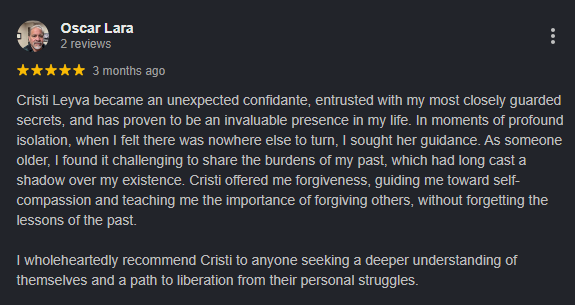
That kind of support matters. Panic and anxiety can make people feel alone, embarrassed, or afraid of being judged. A good therapist helps you feel understood while also helping you move forward.
In-Person vs Online Therapy for Panic Disorder Across Texas
Some people prefer in-person therapy because they like having a quiet space away from home.
Others prefer virtual therapy because it feels easier, more private, or less stressful.
Both can be helpful.
Dallas Whole Life Counseling offers in-person sessions in the Dallas/Fort Worth area and virtual therapy anywhere across Texas. Online therapy can be especially helpful if travel, traffic, time, panic symptoms, or family responsibilities make office visits harder.
You can learn more about virtual anxiety therapy if online support feels like a better fit.
How Dallas Whole Life Counseling Treats Panic and Anxiety
Dallas Whole Life Counseling supports people dealing with anxiety, panic attacks, depression, trauma, relationship stress, and major life transitions.
Treatment may include CBT, ACT, mindfulness-based support, psychodynamic therapy, or another approach that fits your needs.
You Don’t Have to Handle This by Yourself
Panic attacks and anxiety can feel scary, but you do not have to figure them out alone. At Dallas Whole Life Counseling, our licensed therapists help people understand panic, anxiety, dread, and the body’s stress response in a clear and compassionate way.
You can meet with us in person at our Dallas Galleria office or online anywhere in Texas.
If you feel in immediate danger, have severe chest pain, feel like you may hurt yourself or someone else, or are unsure whether your symptoms are medical, please contact emergency services right away.
FAQs
What is the difference between a panic attack and an anxiety attack?
A panic attack usually comes on suddenly and feels intense and physical. An anxiety attack is not a formal diagnosis, but people often use the term for anxiety that builds up around stress, worry, or dread.
Is an anxiety attack a real diagnosis?
No, “anxiety attack” is not usually used as a formal diagnosis. It is a common phrase people use to describe a strong wave of anxiety. “Panic attacks” and “anxiety disorders” are recognized clinical terms.
What does a panic attack feel like?
A panic attack can feel like a sudden body alarm. You may have a racing heart, chest tightness, shortness of breath, sweating, shaking, dizziness, nausea, or fear that you are dying or losing control.
Why do panic attacks happen for no reason?
Sometimes panic attacks seem to happen for no clear reason. But stress, life changes, lack of sleep, old fears, or anxiety building in the background may all play a role.
Can anxiety attacks turn into panic attacks?
Yes, anxiety can build to the point where it feels like panic. Some people experience ongoing anxiety and also have sudden panic attacks.
Are panic attacks dangerous?
Panic attacks feel frightening, but they are not usually life-threatening. However, symptoms like chest pain or shortness of breath should be checked by a medical professional, especially if they are new or severe.
How do I calm down during a panic attack?
Try naming what is happening, slowing your breathing, putting your feet on the floor, looking around the room, and reminding yourself that the feeling will pass. The goal is to help your body feel safer.
What is panic disorder?
Panic disorder usually involves repeated, unexpected panic attacks and ongoing fear about having another attack. It can lead people to avoid places, events, or activities because they are afraid panic will return.
What is the best treatment for panic attacks?
CBT is commonly used for panic attacks, and other approaches like ACT, mindfulness, and medication support may also help. The right treatment depends on your symptoms, history, and goals.
Does Dallas Whole Life Counseling treat panic attacks and anxiety?
Yes. Dallas Whole Life Counseling treats panic attacks, panic disorder, and anxiety. Sessions are available in person in the Dallas/Fort Worth area and virtually anywhere in Texas.
