

Observe significant, lasting shifts in your kid’s attitude or daily habits. If you notice shifts in their daily functioning that last longer than a typical bad mood, like persistent sadness, drastic changes in sleeping or eating habits, or intense worry that interferes with school and play, your child may need professional support.
Spotting these red flags promptly is vital. According to the Centers for Disease Control and Prevention (CDC), early intervention is critical for managing anxiety and depression effectively.
Dallas Whole Life Counseling provides the necessary care before issues escalate. While every kid has off days, a pattern of withdrawal from friends and family or explosive emotional outbursts suggests it might be time to seek help.
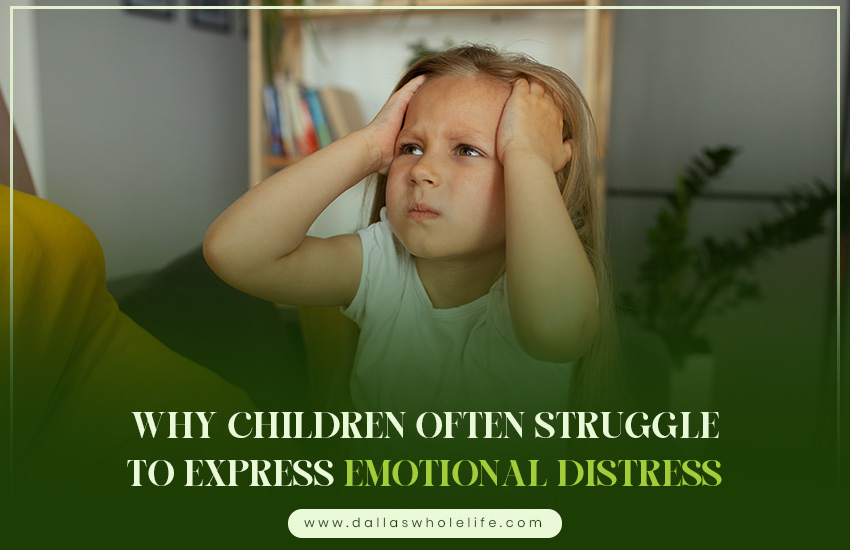
Why Children Often Struggle to Express Emotional Distress
Children rarely have the emotional language or self-awareness to say, “I’m struggling.” Instead, emotional stress often appears through behavior, mood changes, or physical symptoms like overeating/undereating, headaches or stomach aches, and sleeping disturbances.
So, development matters here. A toddler expresses frustration through a tantrum. A teenager might retreat into total silence to cope with social pressure. Recognizing that behavior is a form of communication helps parents respond with empathy instead of just frustration.
Seeking child & teen counseling is not an admission of failure on your part but shows strength. It is a proactive step to give your child the tools they lack before small problems become permanent habits. Supporting them now builds resilience for the future.
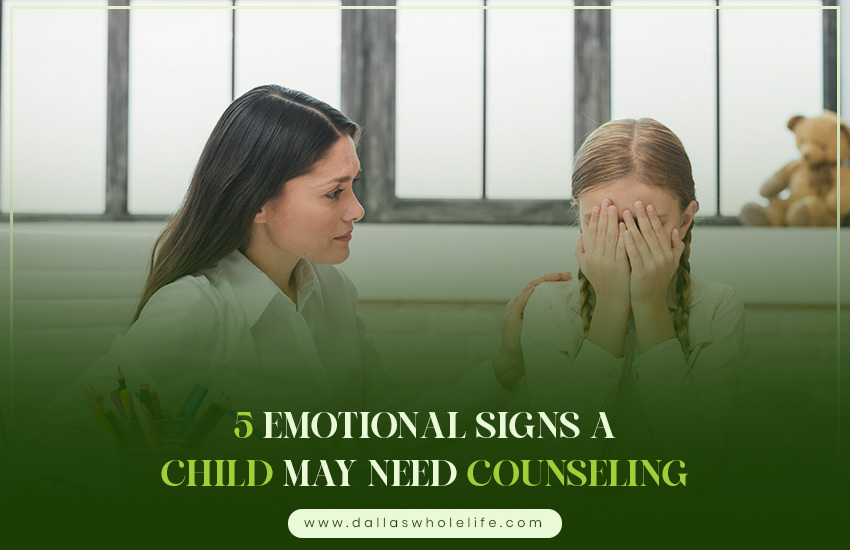
5 Emotional Signs a Child May Need Counseling
Moods fluctuate as kids grow, but specific emotional patterns suggest your child might be struggling with something deeper than a bad day. If you notice shifts lasting for more than a few weeks, it may be time to consult a professional.
Here are specific emotional indicators to monitor:
- Persistent sadness, irritability, or frequent mood swings
- Excessive worry, fear, or anxiety disproportionate to the situation
- Low self-esteem or negative self-talk
- Emotional withdrawal or loss of interest in activities they once enjoyed
- Difficulty regulating emotions (frequent crying, anger, or emotional shutdown)
The National Institute of Mental Health (NIMH) highlights symptoms like frequent tantrums, stomachaches with no medical cause, or a sudden drop in grades. They are common red flags.
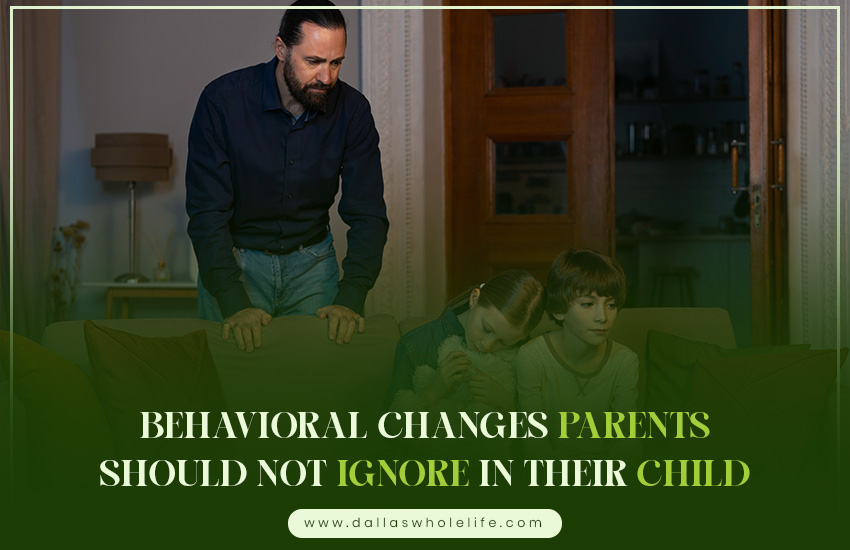
Behavioral Changes Parents Should Not Ignore in Their Child
Behavior speaks volumes. It serves as a primary language for those who cannot yet speak their truth. When a young person is hurting, their actions often speak louder than words. A child’s external actions that shift dramatically without an obvious cause are usually a cry for help that they cannot put into words
- Sudden changes in behavior at home or school
- Increased defiance, aggression, or oppositional behavior
- Regression (bedwetting, clinginess, thumb-sucking)
- Avoidance of school, friends, or social activities
- Trouble following rules or frequent disciplinary issues
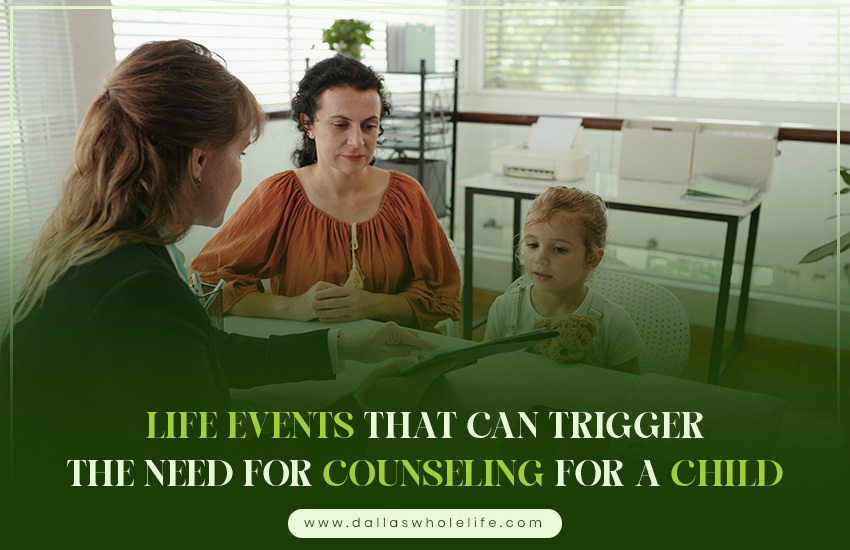
Life Events That Can Trigger the Need for Counseling for a Child
External shocks shatter a child’s sense of safety. Even changes that seem manageable to adults can feel like world-ending events to a developing mind. Sometimes the impact of a major event doesn’t show up until months later.
In the following cases, support can provide stability to your kid:
- Divorce or family conflict
- Loss of a loved one or significant change in family structure
- Bullying, social rejection, or peer conflict
- Academic pressure or learning challenges
- Relocation, trauma, or major life transitions

Get Child & Teen Counseling at Dallas Whole Life Counseling
Dallas Whole Life Counseling provides a safe space for your kids and teens to heal. We focus on practical solutions that work for real life. Your child doesn’t have to carry this weight by themselves. We offer a variety of evidence-based approaches that work, like:
- Play therapy to help your child feel at ease.
- Talk therapy so they can discuss issues without judgment.
- Family sessions to help improve the parent-child or sibling-to-sibling relationship.
We want to help your children thrive again. Reach out today to schedule an initial consultation with our experts. Your family’s well-being is our priority.
Frequently Asked Questions (FAQs)
Q1: What are 5 early warning signs of mental illness in a child?
The primary signs include extreme mood swings, intense feelings of fear, chronic physical pain, social withdrawal, and drastic changes in eating or sleeping habits.
Q2: How to tell a child they are going to therapy?
Use simple and non-judgmental language to explain that therapy is a place to talk about feelings. Compare a therapist to a “feelings coach” or a “talking doctor” who helps people feel better. Emphasize that the whole family is working together. Ensure they know they are not in trouble.
Q3: Why is my child unable to express emotions?
Children often lack the emotional vocabulary or self-awareness to identify what they are feeling inside. Their prefrontal cortex is still maturing. This biological reality means they react with their bodies or behaviors rather than words. They need to learn these skills.
Q4: What happens when parents ignore their children?
Ignoring a child’s emotional or behavioral cries for help can lead to increased anxiety or deep-seated resentment. Unaddressed issues often follow a child into adulthood. This can affect their future relationships. Early intervention prevents these long-term consequences.

