

Getting older is a gift. It brings peace you don’t have in your younger years. You’ve seen things and learned lessons. Yet sometimes, aging also brings a profound sense of isolation. This feeling is something random. It is difficult and can sneak up on you. Even if you have a loving family.
You think loneliness is something natural and a part of growing older. No! It is a serious health concern. Research indicates that chronic social isolation carries risks equivalent to smoking or obesity. Want more on the health impacts of loneliness? You can see this study on social isolation.
You don’t have to suffer through this because there is help available, and there are concrete steps you can take to reclaim your social life and sense of belonging. At Dallas Whole Life, we take aging issues seriously. Let’s explore why this happens. What you can do next.
When Growing Older Feels Lonely
You’ve earned your perspective. You reached a stage in life where you finally feel comfortable with who you are. Full of wisdom and self-acceptance. However, this period of life often coincides with an unexpected isolation. It is the kind of loneliness that feels illogical. Why? Because you’ve spent your life building relationships.
Suddenly, your social circle shrinks. Your phone rings less often. The feeling of being needed starts to fade. Isolation is not just about being alone… physically. It is about feeling disconnected from others. We want to help you figure out why this feeling starts. Also, how can you gently start to find true connection again?
Understanding Why Loneliness Increases With Age
Loneliness in later life is not a failure on your part. It is a natural byproduct of major life shifts. As we move through our 60s, 70s, and beyond, the structure of our lives changes dramatically. We lose built-in sources of daily interaction. The world itself can sometimes seem to speed up, leaving us behind.
Common causes why you feel lonely with aging include:
- Retirement leading to loss of purpose and a defined daily routine
- Children moving away to start their own families
- The death of loved ones or friends
- Health limitations reduce social activity
- Transportation or mobility challenges make leaving home harder
- Shifting social circles or feeling disconnected
The Emotional and Physical Toll of Loneliness
Emotional loneliness is the deep, spiritual sense of feeling disconnected. It can manifest as depression, anxiety, or a chronic feeling of sadness. You feel misunderstood. You feel like no one truly sees you anymore. It erodes your sense of self-worth. It makes everyday tasks feel heavier. You need to acknowledge this pain. You can not push it away, thinking it will make it disappear. It will simply allow it to fester inside. So, you need to recognize the emotional weight. It is the beginning of lightening the load.
Loneliness doesn’t just hurt your feelings. It hurts your body. When we are isolated, our stress hormone levels, like cortisol, increase. This constant tension takes a massive physical toll. It contributes to high blood pressure. It weakens immunity and leads to poor sleep. Loneliness is a risk factor for cognitive decline and heart disease. Your emotional state is inextricably related to your physical health. Once you actively work to reconnect with others, you are also actively working to heal your physical body.
Coping Strategies to Reconnect and Heal in Old Age
You have the ability to reintroduce warmth. You can bring connection back into your life. It does not require a complete overhaul. You just have to take some consistent, small steps. Think of it as gently tending a neglected garden. The effort you put in now will yield beautiful results later. It starts with a commitment to getting out of your comfort zone. Even just a little bit.
- Stay socially active: Create a routine outside your home. Join a senior center. Volunteer at a local charity. You can even attend local library events. Look for groups centered around a shared passion, like a book club. Or a walking group.
- Adopt new hobbies: Learn something new. It stimulates your brain. It introduces you to new people who share that interest. Try pottery. Take a painting class. Learn a musical instrument. The focus is on the activity. But the side effect is meeting others.
- Technology as a bridge: You can utilize tools like video calls (Zoom, FaceTime). It can keep you connected to family members who are distant. Social media groups offer a feeling of community. It offers a shared experience. Don’t let fear of technology keep you isolated. You can ask a grandchild or a friend. They can teach you the basics.
- Practice mindfulness and gratitude: Take time for yourself each day. Focus on the good things already present. Practice mindfulness. Bring your attention to the present moment. Perhaps during a cup of tea or a short walk. This inner work doesn’t replace social contact. However, it strengthens your emotional foundation.
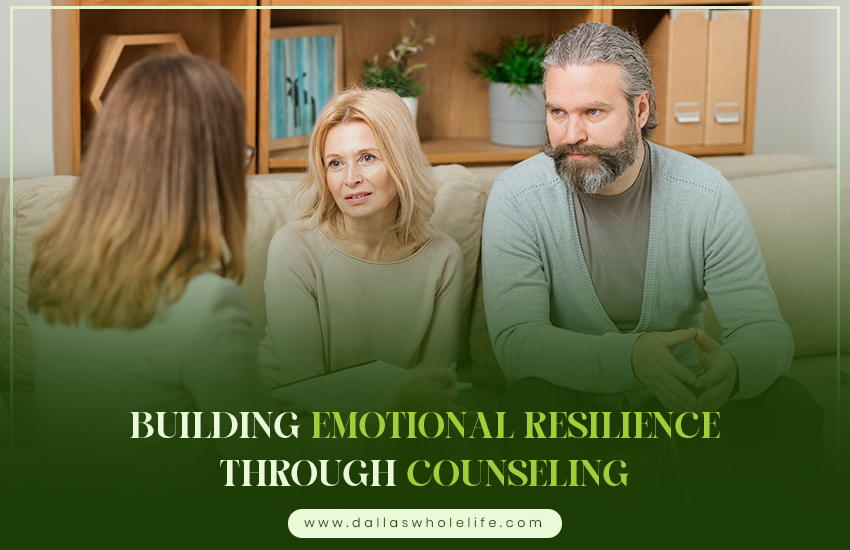
Building Emotional Resilience Through Counseling
Aging is a period of constant, heavy grief. You lose a spouse. A sibling. Your former career. Perhaps your physical abilities. Therapy offers a dedicated, non-judgemental space to process these profound identity shifts and losses. Find a counselor to help you unpack that emotional luggage. They can teach you healthier ways to process the pain of loneliness instead of carrying it all the time. It is a chance to define who you are now. Not just who you used to be.
At Dallas Whole Life, our counselors understand the unique challenges older adults face. We create safe, compassionate spaces. That is where you can share your deepest feelings without fear of burdening family or friends. Our approach respects your life experience. We focus on building emotional tools that work for this stage of life. We help you connect your past to your present. It gives you the strength to create a more connected future.
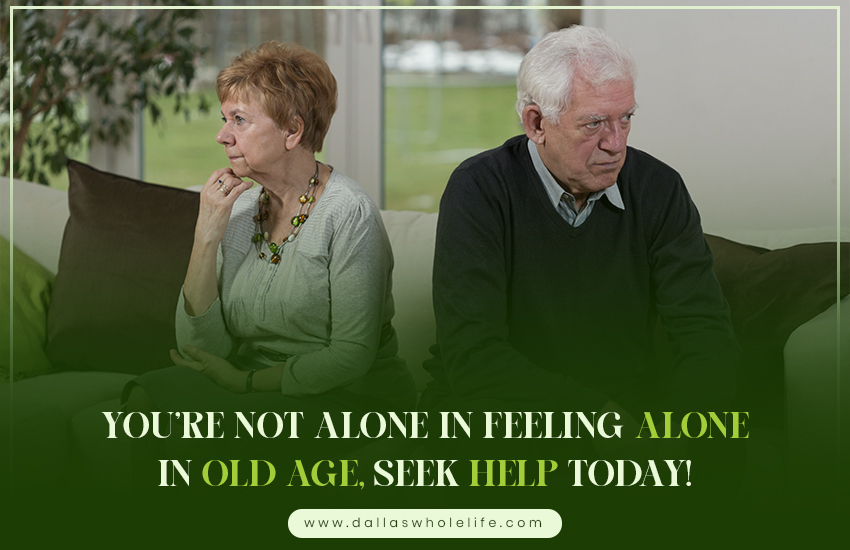
You’re Not Alone in Feeling Alone in Old Age; Seek Help Today!
Feeling lonely is not a weakness. It is a sign that you are human. And that you crave connection. Please hear this… You are not alone in feeling alone. There are steps to take. Professional support is available to assist you. Take action today. It is an act of self-love.
Ready to process your grief? Are you willing to build a more meaningful life? Then, our team is here for you. Reach out to Dallas Whole Life today. Make an appointment with one of our compassionate counselors. It is time to stop enduring the quiet ache. You can start feeling connected again.
Frequently Asked Questions (FAQs)
Q1: How to reduce elderly loneliness?
The best way is to stay connected and find purpose. You can also join online groups or go to a senior center. Video calls to distant family members are an option, too.
Q2: Is it normal to feel lonely when you get older?
Yes. It is very normal. Loneliness is a common feeling. Especially as you age. Because big life changes happen. You stop working. Friends or a partner may pass away. Also, you see that it is harder for you to get out of the house due to health issues.
Q3: How to cope with growing old alone?
Coping means making a plan for both. Your social life and your safety. Don’t wait for others to call. You reach out first. Focus on activities you love. Concentrate on what makes your time alone feel good. Not empty.
Q4: At what age does loneliness peak?
Research shows that feelings of loneliness actually have two main high points in life:
- Young Adulthood. Ages 18 to late 20s/early 30s
- Oldest Old Age. Ages 75 and up

