

Everyone feels angry sometimes. It’s a basic human feeling that signals when something feels wrong or unfair. Anger can actually be useful when you share what you feel calmly. But what happens when that anger gets too big, shows up too much, or you can’t stop it? For many people, this moves past simple annoyance. It begins hurting their closest relationships and secretly damaging their physical health.
This type of constant, intense anger is more common than most people realize. Data suggests the average adult feels mad about 14 times a week, and many report difficulty keeping it under control. Anger keeps your body in a constant alert mode when it is an everyday thing. This “fight or flight” response is built for real danger, not for small daily frustrations. This lasting, high-level stress is precisely where the real physical damage starts.
It’s time to stop downplaying these strong feelings. Your temper feels like a problem. Or if arguments are hurting the people you love, a better way forward exists. At Dallas Whole Life Counseling, we focus on helping you find genuine inner peace. You can learn to handle these emotions in helpful ways and build much stronger connections with others. Look into our full plan for anger management here.
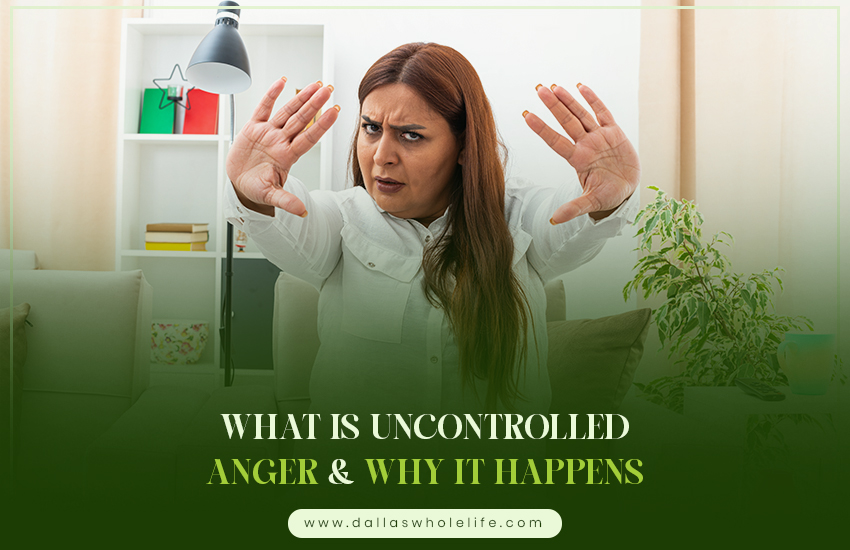
What is Uncontrolled Anger & Why It Happens
The problem isn’t the emotion itself. It begins when anger is too big, too frequent. Or when you try to hold it all in. This constant, huge reaction is what we call uncontrolled anger. It hurts your emotional balance and seriously wears down your physical body. Once your reactions don’t match the event, that is a sign the system underneath is struggling. You deserve to feel secure in your own feelings.
This isn’t a failing of your character. It is usually a sign of things left unsettled. Uncontrolled reactions often come from old hurts or deep life stress. You might not have the right skills for healthy feeling control. When stress piles up without a break, or if you feel powerless in your life situation, your body stays ready to react. This makes a tiny trigger feel like a huge threat. It causes an explosive response.
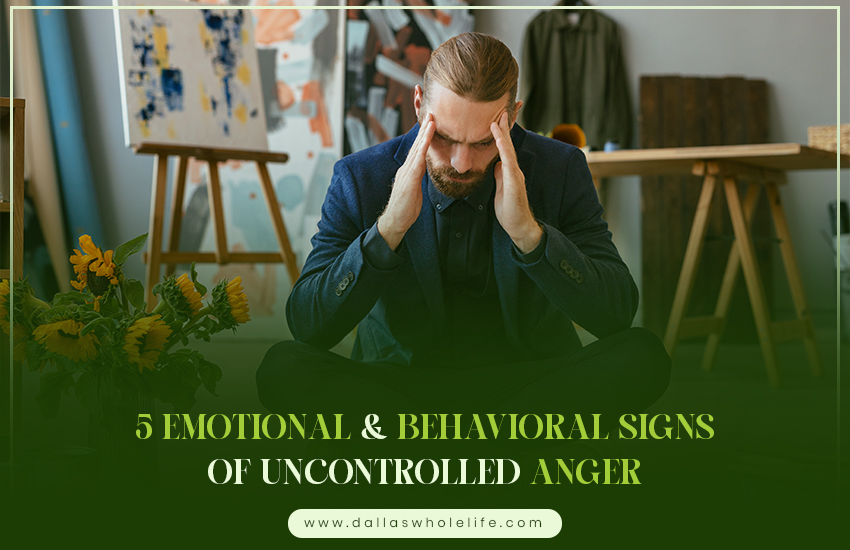
5 Emotional & Behavioral Signs of Uncontrolled Anger
If you’re unsure if your anger is a true problem, watch for these common emotional and behavioral signs. They signal that the feeling has become a disruptive force in your daily life. These patterns suggest you need support to bring back calm and order.
- Frequent big reactions over very small annoyances
- Great difficulty settling down once you get set off
- A constant background feeling of irritation or bitterness
- Feeling guilty or sorry after you let your anger out
- Noticeable body tightness, like clenching your fists, during a conflict
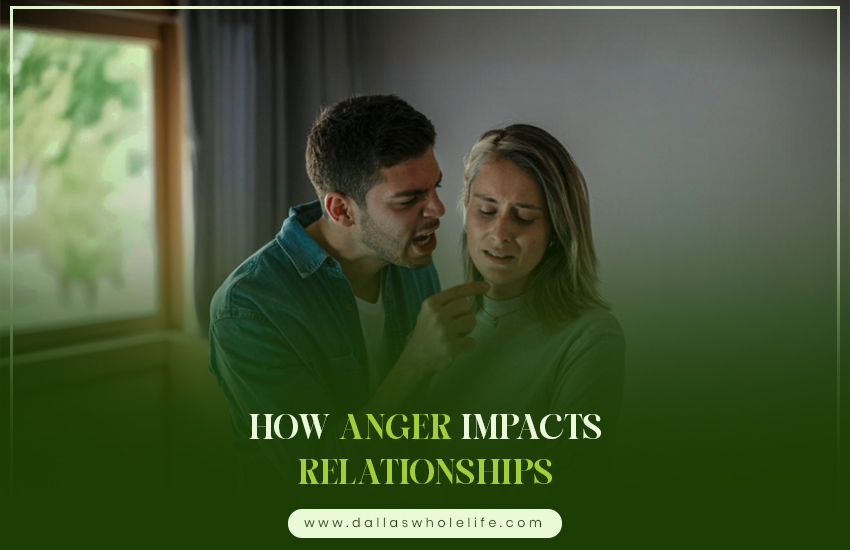
How Anger Impacts Relationships
The immediate cost of losing control of your anger is always felt closest to home. This emotional swinging creates an unstable and tense atmosphere. When a partner or family member can’t predict your mood, they spend all their energy being careful. This tension stops real closeness. It lets issues build up, causing trust to weaken significantly.
- It erodes trust, making loved ones feel unsafe.
- It causes partners or family to create space or emotionally hide away.
- Fights turn sour, leading to a repeating loop of blame and defensiveness.
- It lowers your ability to feel for others, making good solutions hard to find.
- After a long time, this pattern can cause total emotional distance or even break the relationship apart.
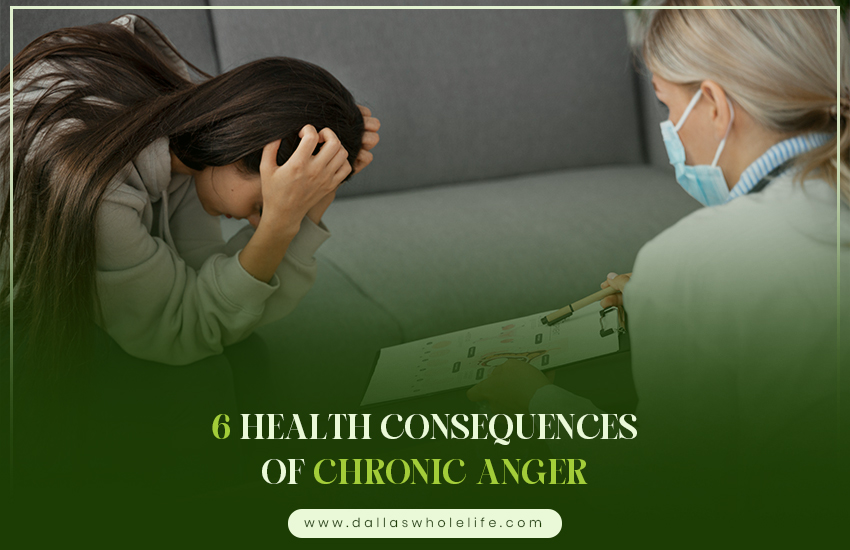
6 Health Consequences of Chronic Anger
Being angry all the time does more than just cause arguments; it’s a serious physical stressor. When this keeps happening, your physical health really suffers.
- Blood pressure and heart rate stay high.
- The risk of heart problems gets higher.
- Your body’s defense system gets weaker.
- You have trouble sleeping and often feel drained.
- Worries increase, along with feelings of being down.
- It gets tough to focus well or make sound judgments.
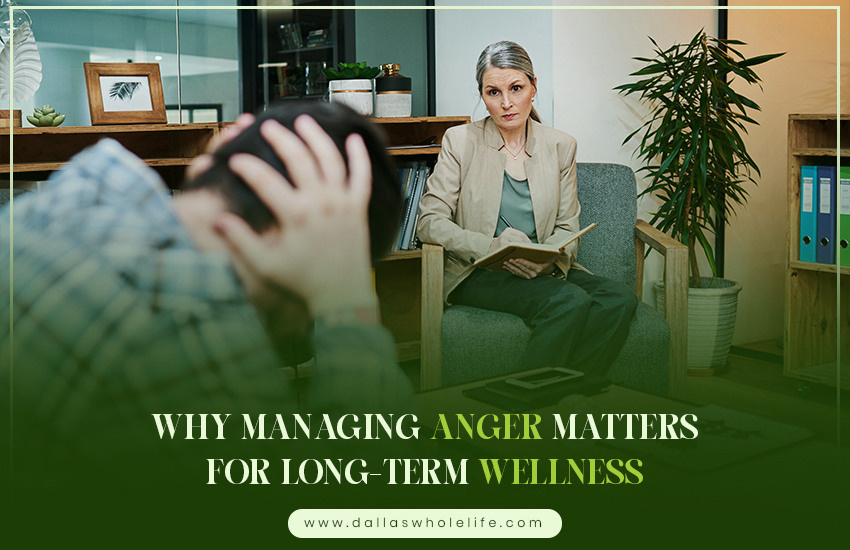
Why Managing Anger Matters for Long-Term Wellness
Unmanaged anger is more than just a relationship issue; it’s a major threat to your physical health. Every time you lose your temper, you flood your system with stress chemicals. This keeps you feeling stuck in an ongoing state of alarm. This continuous strain is what causes high blood pressure and weakens your ability to fight sickness. It ruins good sleep. Dealing with your anger is truly about protecting your body for the long haul.
When you learn practical ways to share your feelings without snapping, the good results come fast. You take back charge of your inner world. You bring back that needed emotional balance. Most importantly, you open space for stronger, more secure ties with the people you care about. This change keeps your heart safer and quiets your mind. It helps fix the bonds you value.

Contact Dallas Whole Life & Start Your Anger Management Journey
Changing deep-seated emotional habits takes support and guidance. We know how hard it is to change things you’ve done for years. Dallas Whole Life Counseling offers a safe, professional route to gaining command over your temper. We help you step out of the loop of anger and guilt and into a place of real healing.
What DWLC provides to help you:
- Pinpointing the real reasons and things that set off your anger.
- Teaching simple steps to stay mindful and control strong feelings.
- Giving you clear speaking tools to keep fights from getting worse.
- Helping you create healthy ways to release stress safely.
- Guiding you back to feeling more patient, self-aware, and kind.
Stop letting anger control your days and hurt what’s important. The life you desire is possible. One filled with peace, good health, and fulfilling bonds. Reach out to Dallas Whole Life Counseling today. Set up your first visit and start building that calmer future.
Frequently Asked Questions (FAQs)
Q1: How does chronic anger impact relationships?
Chronic anger erodes trust very quickly. People start feeling scared or keep their distance from you. This pattern stops you from solving problems well together.
Q2: What are unhealthy coping mechanisms for anger?
Explosions where you yell or throw things are bad. Bottling it up until you become passive-aggressive. It also hurts others. Lashing out at innocent people is another unhealthy way to cope.
Q3: What are the health problems linked to chronic unmanaged anger?
Unmanaged anger keeps your body stressed all the time. This links directly to high blood pressure and heart issues. It can also weaken your immune system and cause poor sleep.
Q4: How to healthily release anger?
The best way is to express your needs calmly in a clear manner. Try getting physical release through exercise, like a brisk walk or run. Focus on mindfulness to slow down your reaction time first.

