

Not feeling good anymore is often called Anhedonia. It usually stems from mental health issues like depression, anxiety, trauma (PTSD), or even burnout. This affects the dopamine system of your brain. It can also be from stress, loneliness, chronic pain, medication side effects, or other lifestyle factors, which makes you numb to joys you once loved, and often requires professional help to address underlying causes.
Feeling this way is not your fault. It is a signal that something needs attention, like depression. For this, help is available to find your way back to feeling good. Dallas Whole Life helped countless people overcome depression and go back to feeling good news like they used to.
Why Happiness Feels Out of Reach Even on Good News
Most people expect good news to bring joy, but if it doesn’t, something deeper may be going on. It may be emotional numbness, which is a protective state where you feel disconnected from your emotions. You experience emptiness or indifference instead of joy, sadness, or anger. This state is often triggered by trauma, chronic stress, seasonal depression, or certain medications.
We can not say that emotional numbness is just psychological. Clearly, it has biological roots. Depression plays a part and affects how the brain processes feelings. It impacts neurotransmitters and the connection between the regions of the brain. These shifts don’t simply cause unhappiness. They can disrupt the entire emotional balance and system, making life feel flat and disconnected or indifferent, even in positive situations.
4 Hidden Signs of Depression Beyond Sadness
When we talk about depression, we think of someone who is visibly drawn, sad, or in despair. But that is not the case. Depression can hide among other symptoms that we usually do not discuss. It makes it hard to identify people suffering from it.
Here are four common signs of depression outside sadness:
- Loss of interest in hobbies or activities.
- Trouble feeling joy from achievements.
- Withdrawal from relationships.
- Fatigue and lack of motivation.
How Counseling Helps Restore Joy & Reduce Depression
Therapy, especially Cognitive Behavioral Therapy (CBT), helps address negative thought patterns. It teaches you to identify distorted thoughts. It challenges your validity with evidence and replaces it with balanced, realistic perspectives. This fosters self-awareness and emotional regulation. It is one of the healthier coping mechanisms to improve overall mental well-being.
To break cycles of anxiety, depression, and stress, therapists provide a supportive and safe space to process emotions and relearn how to experience joy. They used tools and techniques like the following:
- CBT: Focuses directly on changing thought-behavior patterns.
- Mindfulness: Observing thoughts without judgment.
- Emotional regulation: Managing intense feelings to find emotional balance.
When to Seek Professional Help for Depression?
You should seek professional help for depression when feelings of sadness, hopelessness, or loss of interest last most of the day, nearly every day, for more than two weeks. Also, you need counseling if the impact is as significant as now, interfering with work, school, or home life, or if you have thoughts of self-harm, as early intervention improves outcomes.
- Persistent lack of joy.
- Emotional detachment lasting weeks or months.
- Interference with daily functioning.
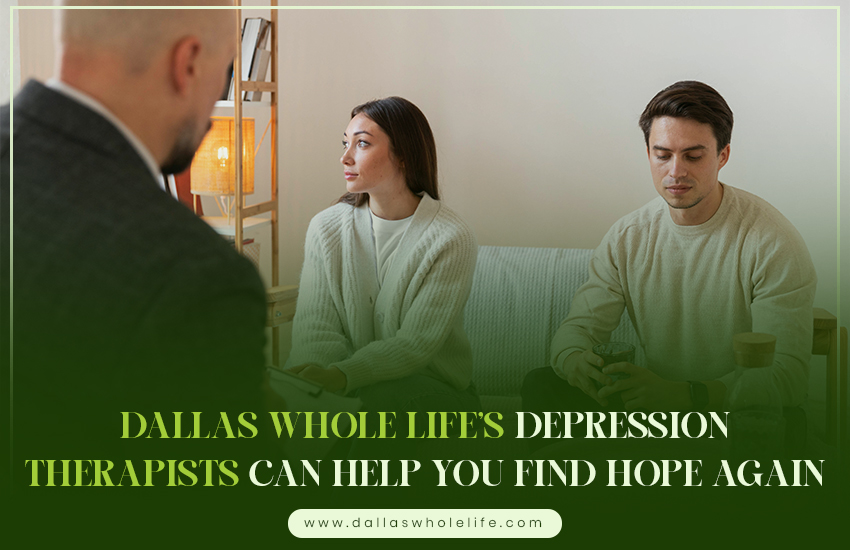
Dallas Whole Life’s Depression Therapists Can Help You Find Hope Again
At Dallas Whole Life, we understand that not feeling good in the things you once felt good about seems like a part of you is gone. One that used to celebrate, hope, and feel connected to your own achievements.
Our team of compassionate, experienced counselors is here to guide you through this period of emotional numbness with personalized care that addresses both the psychological and practical aspects of recovery.
Don’t wait for the grayness to deepen. Your healing journey can start right now. Contact Dallas Whole Life and begin returning to your true self. We are here to help you restore your emotional range and help you find joy in your accomplishments once again. Your well-being is worth the effort, and we’re here standing by you as you rediscover your strength.
Frequently Asked Questions (FAQs)
Q1: Why does it not feel good anymore?
It may be Anhedonia. A loss or decrease of the ability to feel pleasure from things we once enjoyed.
Q2: Why have I lost my ability to be happy?
It usually happens for one of these four reasons:
- Biological numbness
- Survival mode
- Depression
- Dopamine overload
Q3: Why do I feel bad after good news?
Typically, because of the following:
- The “other shoe” syndrome
- The pressure of expectation
- Emotional vulnerability
Q4: I received some really good news, but I feel nothing?
When you feel “nothing” in response to something objectively great, it is usually due to emotional blunting.
