

Low self-esteem fosters persistent negative self-perception. It leads to increased risks of depression and anxiety, as well as eating disorders. You create a cycle of self-criticism, fear of judgment, and, in some cases, substance abuse as a coping mechanism. Consequently, it reduces the quality of your life, and in addition, it also hinders social and personal functioning.
According to a study, teenagers who feel good about themselves (have high self-esteem) tend to develop less anxiety, depression, and attention problems as they grow older. Because of that, self-esteem is seen as a protective or resilience factor. It helps ease them against mental health difficulties over time.
At Dallas Whole Life, we provide self-esteem counseling services before self-doubt leads to other psychological issues like depression and anxiety.

What Is Self-Esteem and Why Does It Matter for Mental Health
Self-esteem refers to how individuals perceive their own worth, value, and abilities. Growing up with praise, unconditional love, and encouragement fosters a sense of worth and supports emotional resilience, confidence, and balanced decision-making.
On the other hand, early experiences, trauma, criticism, or chronic stress lead to a negative self-view. And as Better Health stated, it affects a person’s life in many different ways, including negative feelings, relationship problems, low resilience, fear of trying/judgment, and even self-harming behavior.
Self-esteem is a foundational component of overall mental health because it functions as a core, internal gauge of a person’s worth, competence, and acceptability. A healthy level of self-esteem acts as a protective buffer against mental health disorders such as anxiety, depression, and eating disorders, while low self-esteem frequently acts as a catalyst for these same conditions.
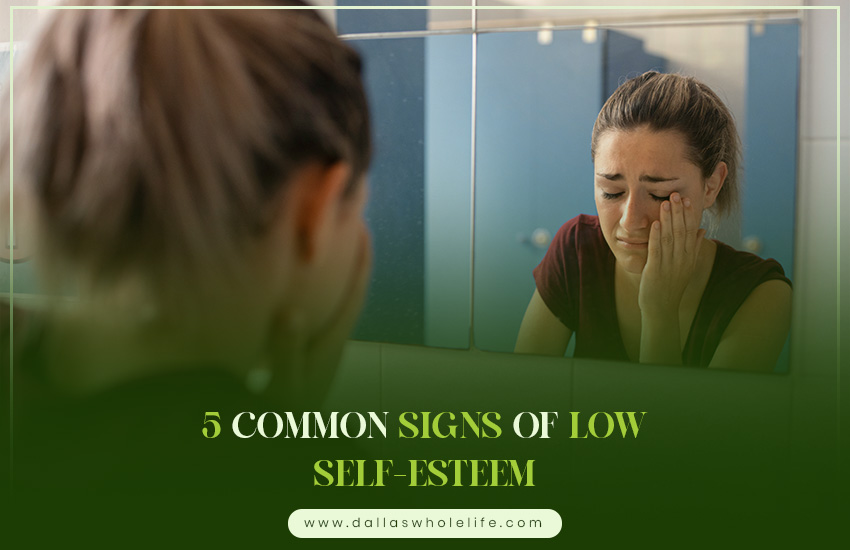
5 Common Signs of Low Self-Esteem
Do you not feel secure in yourself and in your life? Do you feel like you don’t belong with family, friends, or at work? Are you facing identity problems? It may be due to self-doubt.
You may have low self-esteem if you:
- Constantly criticise or talk negatively about yourself
- Have a fear of failure or excessive perfectionism
- Face difficulty accepting compliments or praise
- Like to please people and fear disappointing others
- Avoid challenges due to self-doubt
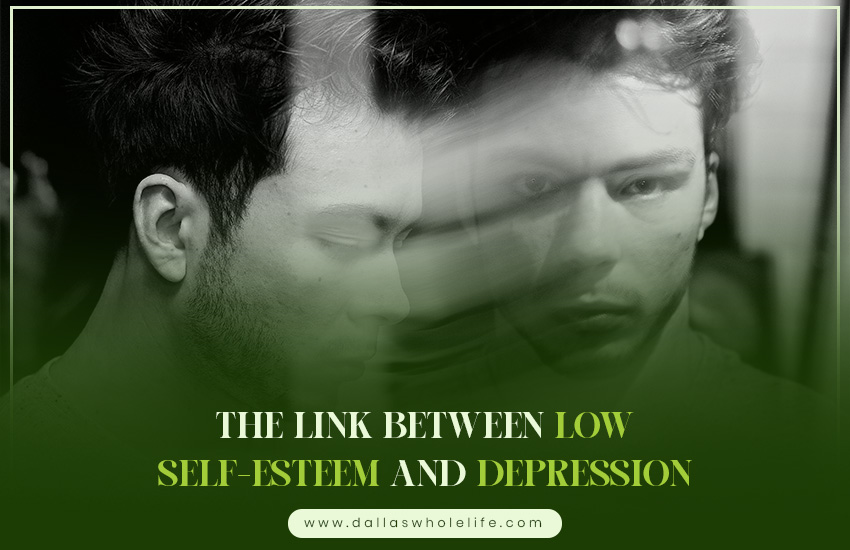
The Link Between Low Self-Esteem and Depression
Depressive thought cycles reinforce low self-worth. They create a self-perpetuating loop where negative thoughts trigger low moods. It, in turn, fosters further self-criticism, shame, and feelings of worthlessness. This cycle leads to behavioral avoidance (e.g., social isolation) that confirms, in the person’s mind, their perceived inadequacy, further deepening the depression.
Psychological experiences that stem from low self-esteem that contribute to the development or worsening of depression are:
- Feelings of worthlessness or hopelessness
- Loss of motivation or interest in activities
- Internalized blame and guilt

How Counseling Helps Build Healthy Self-Esteem
When we struggle with low self-worth, we view our lives through a distorted lens. It magnifies our flaws and hides our strengths. Dallas Whole Life Counseling provides a supportive, objective space to take that lens off and examine the underlying machinery of our self-perception. By working with a therapist, you can restructure how you relate to yourself, specifically by:
- Identifying and challenging negative core beliefs
- Developing self-compassion and emotional awareness
- Creating a healthier internal dialogue

Get Self-Esteem Therapy from Dallas Whole Life & Strengthen Your Self-Worth
If you have low self-esteem, stop thinking you don’t deserve treatment. Because if left untreated, it can lead to serious mental health issues like anxiety and depression. We treat low self-esteem using a combination of the following two:
Our treatment helps you discover the underlying causes of low self-esteem. We create a plan to help you move forward. So, in case you have low self-esteem, make an appointment today with Dallas Whole Life Counseling.
Frequently Asked Questions (FAQs)
Q1: What are the signs of a person with low self-esteem?
- Intense self-criticism
- Ignoring accomplishments
- Negative self-talk
- Fear of failure
- People-pleasing
- Social withdrawal
- Difficulty accepting compliments
- Feeling inferior to others
- Lack of boundaries
Q2: How to fix self-esteem?
Challenge negative self-talk. Practice self-compassion. Act in alignment with your values. It will help you improve self-esteem.
Q3: What is the root cause of low self-esteem?
Childhood trauma, neglect, chronic criticism from caregivers, bullying, or persistent failure to meet expectations are some of the root causes.
Q4: What is the best therapy for self-esteem?
Cognitive Behavioral Therapy (CBT) is widely considered the most effective. It is an evidence-based approach for improving self-esteem.

