

Depression shows up in many different ways for different people. Major Depressive Disorder means feeling very sad. Being empty for weeks or months at a time. Persistent Depressive Disorder is when you feel down most days for years; however, it is not as severe. Seasonal Affective Disorder happens when winter darkness makes your mood drop.
Postpartum Depression affects new mothers after having a baby. Situational Depression starts after something stressful happens. For example, losing a job. Atypical Depression is when your mood can get better for a little while when good things happen. Then, it drops again.
Check out the National Institute of Mental Health for data on how widespread these variations are.
Depression is more than just sadness. It changes how you think. It drains your energy. Depression makes everything harder. Your brain chemistry shifts in ways that affect your whole body.
Knowing what type of depression you have really matters because a therapist can’t help you properly if they do not understand your specific signs and patterns of depression. The right diagnosis leads to better treatment
Depression Is Not One-Size-Fits-All | Why Understanding Types Matters
Many people think depression always looks the same. It doesn’t. Some folks deal with mild sadness that lasts for years without getting really bad. Others have sudden, heavy episodes that make simple tasks feel impossible. Cold, dark winters trigger depression in some people, while summer makes them feel fine. Having a baby can cause serious mood problems because of hormone changes. Going through a divorce might bring on temporary depression that goes away once life settles down.
These differences matter a lot for getting the right help. Someone with mild, long-term sadness needs different support than someone in a serious depressive episode. Seasonal patterns might improve with special lights. New moms often need help with both emotions and hormones. Depression after a hard life event may get better by talking through what happened instead of taking medicine long-term. Finding out your exact type helps your therapist pick methods that actually work for your situation instead of trying random approaches.
How Depression Affects Thoughts, Behavior, and the Body
Depression hijacks your thinking patterns. Your brain starts filtering experiences through negativity. It interprets normal events into proof that you’re worthless. Small mistakes become evidence of total failure. Future possibilities appear hopeless because depression convinces you that nothing will improve. This isn’t a weakness. It’s a biological condition distorting cognitive processing. The thoughts feel absolutely true even when they contradict objective reality.
Depression also hurts your body. You might experience physical aches and fatigue. You feel tired no matter how much you rest. Sleep becomes really hard. Or, you nap way too much. Appetite can vanish or spike dramatically. Social withdrawal happens gradually as depression makes interaction feel exhausting. Work productivity declines. Hobbies lose appeal. Depression doesn’t just hurt emotionally. It creates tangible physical symptoms that reinforce the cycle of isolation and inactivity.
6 Common Types of Depression
Depression comes in several forms. It differs in how bad they are, how long they last, and what causes them. Learning about each type makes it easier to figure out what you’re dealing with and get proper help. Here are the most common kinds therapists see.
1. Major Depressive Disorder (Clinical Depression)
Major Depressive Disorder is the most serious kind of depression. Episodes usually last at least two weeks. Nonetheless, it can go on for months. You feel awful every day. Nothing makes you happy. Focusing becomes nearly impossible, which makes work or school really tough.
- Feeling empty or hopeless day after day with no breaks
- Not caring about things you used to love doing
- Big changes in how much you eat and what you weigh
2. Persistent Depressive Disorder (Dysthymia) | Long-Term Low Mood
Dysthymia means feeling depressed for at least two years. It’s not as crushing as major depression. Yet it never goes away. You can still do things. But everything takes more effort. Life feels dull instead of bright, and that dullness just continues.
- Constant tiredness, no matter how much you rest
- Trouble deciding things or paying attention
- Feeling not good enough in ways that affect everything you do
3. Seasonal Affective Disorder (Seasonal Depression)
Seasonal depression happens at the same time every year. Most people get it in the fall and winter when there’s less sunlight. Your mood drops when days get shorter. Spring comes, and you feel better. This pattern repeats every single year.
- Depression that starts and stops at the same time annually
- Sleeping more and wanting sweets during bad periods
- Avoiding people more when it’s dark outside
4. Postpartum Depression
Postpartum Depression hits mothers after they have a baby. It’s different from the mild baby blues that go away quickly. Hormones change drastically. You’re also exhausted. When adjusting to a new identity and handling huge new responsibilities, you might feel disconnected from your baby even though you want to feel close. Worry often comes with sadness. It creates scary thoughts about the baby’s safety.
- Extreme mood changes and crying more than normal, new-parent adjustment
- Having trouble connecting with your baby or feeling like a bad parent
- Scary thoughts about hurting yourself or the baby that you don’t want
5. Situational Depression (Adjustment Disorder with Depressed Mood)
Situational Depression starts after something stressful happens in your life. A relationship ends. You get fired. Someone you love dies. You move somewhere new and feel unexpectedly sad. The depression clearly connects to that specific event. Once you work through what happened and get used to the changes, you usually start feeling better without it becoming permanent.
- Depression that began right after something bad happened
- Reactions that seem too big for the situation but feel crushing
- Struggling to adjust to changes that used to feel easier to handle
6. Atypical Depression
Atypical Depression is confusing because your mood actually gets better when something nice happens. You feel terrible. Then a friend stops by, and you can laugh. They go home, and the darkness comes back. This ability to feel better temporarily makes it different from other types, where good things don’t help at all. You might also eat more, sleep too much, and feel extremely hurt by rejection.
- Mood that improves for a bit when you get good news, or great things happen
- Arms and legs are feeling heavy, like they’re hard to move
- Getting really hurt by rejection or criticism in ways that affect your relationships
How Therapy Helps Treat Different Types of Depression
Therapy provides a space to sort out what kind of depression is present. Also, how it shows up in daily life. Different patterns call for different strategies. Therapy adapts to those needs. It also addresses underlying life stressors, helping you rebuild routine, boost energy, and find motivation again, to support long-term emotional resilience so progress can last.
- Identifying depression type and personal triggers
- Teaching coping skills and emotional regulation
- Challenging unhelpful thought loops using CBT principles
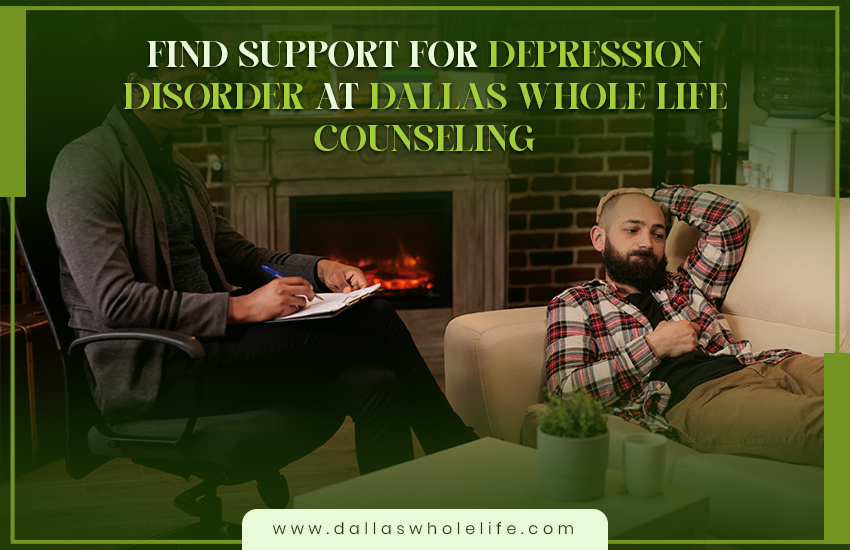
Find Support for Depression Disorder at Dallas Whole Life Counseling
Depression doesn’t have to run your life forever. Dallas Whole Life Counseling offers caring, proven treatment for all kinds of depression. Our therapists know that your depression is unique and needs a personal approach.
We offer:
- One-on-one therapy designed for your specific type of depression and symptoms
- Cognitive Behavioral Therapy and other methods that work
- Help build coping skills and emotional strength
- A safe, judgment-free place to talk about what you’re going through
Contact us today because you deserve help from people who know that depression is a real condition that can be treated. Our team at Dallas Whole Life Counseling has lots of experience helping people move from constant darkness toward hope and better functioning.
Frequently Asked Questions (FAQs)
Q1. Do people with depression think differently?
Depression alters cognitive processes. It leads to “cognitive distortions” where individuals perceive situations more negatively than they truly are. The brain’s executive functions often slow down. This makes it hard to focus on tasks.
Q2. What are three behavioural symptoms of major depression?
Key behavioral signs include withdrawing from social circles. Another sign is having zero energy for basic tasks. You might also notice a person abandoning hobbies they used to love.
Q3. Can depression cause a personality change?
It doesn’t change your core identity. However, it can alter your outward demeanor. It makes you seem more irritable or withdrawn. Many find they become more pessimistic during an episode.
Q4. Can the brain go back to normal after depression?
Neuroplasticity allows the brain to heal. It forms new pathways as recovery progresses. With consistent treatment, the areas affected can return to healthy levels of functioning. Healing takes time. But it happens.
