

Depression is linked to changes in how brain chemicals and networks involved in mood, motivation, memory, and stress communicate. Serotonin, dopamine, and norepinephrine may play a role, but depression is not simply caused by having too much or too little of one chemical. Dopamine, serotonin, long-term stress, hormones, sleep, physical health, and life experiences can also contribute. Treatment may include therapy, medication, and supportive lifestyle changes based on the person’s symptoms and needs.
Depression can make ordinary tasks feel unusually difficult. Getting out of bed, replying to a message, or making a basic decision may require more effort than people realize.
This is not laziness or a lack of willpower. Depersonalization affects the systems involved in mood, cognition, sleep, energy, and motivation. Understanding the science of energy reduces self-blame and helps people see why professional treatment may be needed.

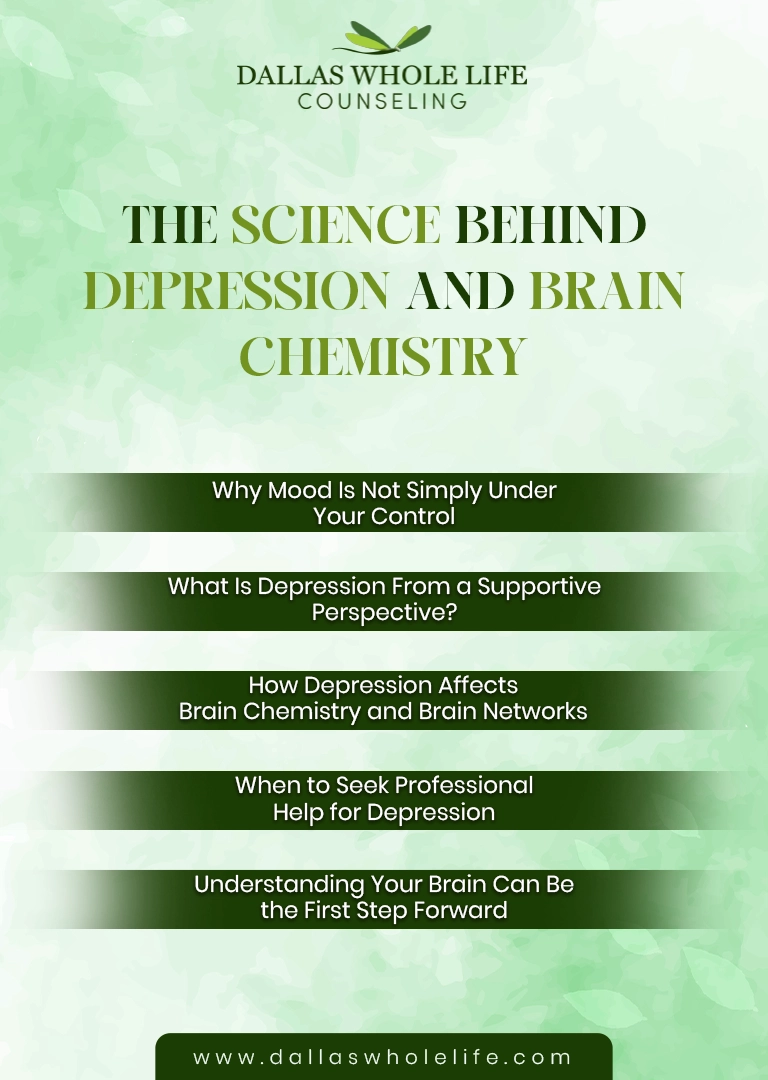
Why Mood Is Not Simply Under Your Control
People can influence some aspects of their emotional well-being, but they cannot always choose whether depression develops.
The brain constantly processes information from the body, environment, and past experiences. When the systems involved in mood and stress are disrupted, positive thinking alone may not be enough to change how someone feels.
How the Brain Influences Emotions and Behavior
Emotions are produced through communication between several brain regions rather than one isolated “mood center.”
These networks help you:
- Recognize possible threats
- Experience pleasure and reward
- Recall emotional memories
- Regulate reactions
- Concentrate and make decisions
- Respond to stress
Research has associated depression with differences in the activity and communication of regions including the prefrontal cortex, amygdala, and hippocampus. However, these patterns vary between people and are not used alone to diagnose depression.
Common Myths About Depression
Depression is sometimes dismissed with statements such as the following:
- “You need to think more positively.”
- “You are being lazy.”
- “Everyone feels sad sometimes.”
- “You should be grateful.”
- “You just need more discipline.”
Depression is a recognized mental health condition that can affect emotions, thinking, sleep, appetite, motivation, and the ability to complete daily activities.
Supportive habits can help, but they should not be used to blame someone whose symptoms require professional care.
Biology vs Life Circumstances
Depression can involve both biological and environmental factors.
Possible contributors include:
- Family history
- Long-term or severe stress
- Trauma and loss
- Physical health conditions
- Medication side effects
- Hormonal changes
- Social isolation
- Difficult relationships
- Major life transitions
No single factor explains every case. One person may develop depression after a major loss, while another may experience it without one clear event.
How Stress Affects the Brain Over Time
The body’s stress response is useful during short-term danger. Problems may develop when it remains active for long periods.
Chronic stress can affect sleep, concentration, emotional regulation, and the hormone systems involved in the stress response. Research also links prolonged stress with changes in neural processes involving the hippocampus and other mood-related regions.
This does not mean stress permanently damages every person’s brain. The effects depend on duration, severity, health, support and individual vulnerability.
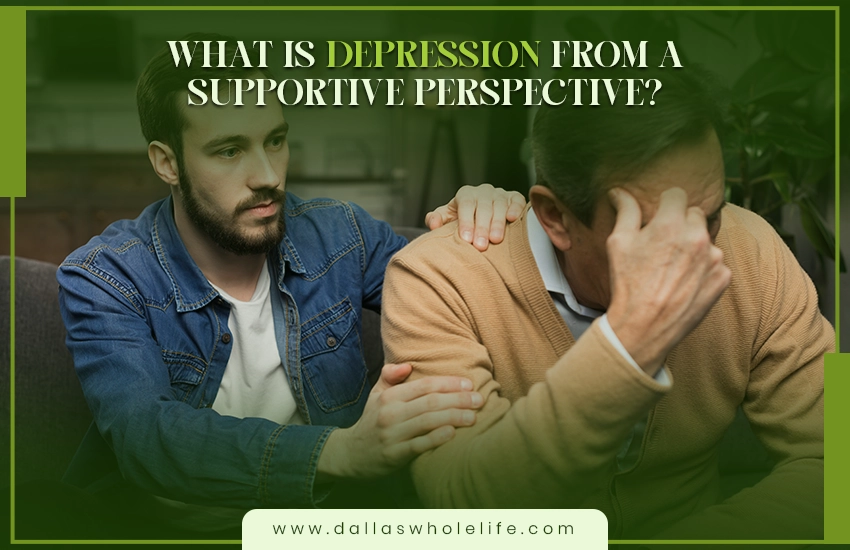
What Is Depression From a Supportive Perspective?
Depression is more than feeling sad after a difficult day. It involves a group of emotional, cognitive, behavioral, and physical symptoms that continue and interfere with functioning.
Scientists do not view depression as one identical condition with one cause. Different biological and psychological processes may produce similar symptoms in different people.
Early Signs and Symptoms of Depression
Possible signs include:
- Persistent sadness or emotional emptiness
- Reduced interest in activities
- Low energy
- Difficulty concentrating
- Changes in sleep
- Changes in appetite
- Irritability
- Feelings of guilt or worthlessness
- Moving or speaking more slowly
- Difficulty managing normal responsibilities
Not everyone experiences every symptom. Depression may look like withdrawal and low mood in one person but appear more as irritability or loss of motivation in another.
How Brain Chemistry Affects Mood and Motivation
Neurotransmitters are chemical messengers that help brain cells communicate.
Chemicals associated with depression include:
- Serotonin, which is involved in mood, sleep, and other processes
- Dopamine, which contributes to motivation, learning, and reward
- Norepinephrine, which affects alertness, attention, and stress responses
- Glutamate and GABA, which help regulate excitation and inhibition in the brain
These systems interact with each other and with broader brain circuits. Depression cannot be confirmed through a simple blood test for neurotransmitter levels.
The Connection Between Hormones, Sleep, and Depression
Hormones and sleep influence mood, energy, and the body’s response to stress.
Depression can disrupt sleep by causing insomnia, early waking, or excessive sleeping. Poor sleep may then worsen concentration, irritability, and emotional regulation.
Hormonal transitions and medical conditions’ irritability contribute to depressive symptoms. A healthcare provider may recommend medical assessment when symptoms could have a physical or medication-related cause.
Why Depression Feels Different for Everyone
People vary in their genetics, health, experiences, support systems, and responses to stress.
Depression may mainly affect:
- Mood in one person
- Energy in another
- Thinking and concentration in another
- Sleep and appetite in another
- Motivation and pleasure in another
These differences are one reason treatment should be personalized rather than based on a single theory about brain chemistry.
How Depression Affects Brain Chemistry and Brain Networks
The science of depression is still developing. Researchers have identified several systems associated with depressive symptoms, but no single chemical or brain region explains the entire condition.
It is more accurate to think of depression as involving changes across connected biological and psychological systems.
Serotonin, Dopamine, and Norepinephrine
Serotonin, dopamine, and norepinephrine help regulate functions that may be affected during depression.
Serotonin is involved in mood, sleep, and emotional processing.
Dopamine contributes to reward and motivation. Reduced reward responsiveness may help explain why activities that once felt enjoyable can begin feeling flat.
Norepinephrine supports attention, alertness, and the stress response.
Antidepressants can influence these signaling systems, but their effects are more complex than simply “correcting an imbalance.”
Brain Regions Associated With Depression
Research has frequently examined three key regions:
The prefrontal cortex supports planning, concentration, decision-making, and emotional regulation.
The amygdala helps process emotional and threat-related information.
The hippocampus is involved in learning, memory, and stress regulation.
Studies have found structural or functional differences in these and other connected areas among groups of people with depression. These findings help researchers understand the condition, but a brain scan is not normally used to diagnose an individual patient.
Genetics vs. Environment
Depression can run in families, but there is no single “depression gene.”
Genetic differences may influence sensitivity to stress, brain development, or how the body responds to environmental pressures. Life experiences and health factors also matter.
Having a family history may increase vulnerability, but it does not mean that depression is unavoidable. Likewise, someone without a family history can still develop it.
How Antidepressants Work
Antidepressants affect chemical signaling in the brain.
Common types include:
- SSRIs, which primarily affect serotonin signaling
- SNRIs, which affect serotonin and norepinephrine
- Atypical antidepressants, which work through different chemical pathways
- Older antidepressants, including tricyclics and monoamine oxidase inhibitors
Although chemical effects may begin earlier, noticeable symptom improvement often takes time. Medication choice depends on symptoms, health, possible side effects and past treatment response.
Medication should be prescribed and monitored by a qualified healthcare professional.
Therapy vs. Medication
Therapy and medication are not competing treatments. Either may be helpful, and some people benefit from a combination.
Therapy can help address:
- Negative thinking patterns
- Withdrawal and avoidance
- Relationship difficulties
- Stress
- Low self-worth
- Emotional regulation
- Responses to loss or trauma
Medication may help reduce symptoms enough for someone to participate more fully in daily life and therapy.
Dallas Whole Life provide depression counseling and also offer medication evaluation and management where clinically appropriate.
Lifestyle Factors That Influence Mood
Lifestyle changes are not a replacement for professional treatment when depression is significant. However, they may support recovery.
Helpful areas may include:
- A consistent sleep routine
- Regular physical movement
- Eating regularly
- Reducing isolation
- Spending time outdoors
- Limiting alcohol or other substances
- Breaking tasks into smaller steps
- Maintaining therapy and medical appointments
The goal is not to complete every habit perfectly. Depression can make routine changes difficult, so starting with one manageable action is often more realistic.

When to Seek Professional Help for Depression
Consider professional support when symptoms continue, become harder to manage, or begin affecting work, school, relationships, sleep, or self-care.
You do not need to understand the brain science or identify the cause before asking for help.
How Depression Is Diagnosed
There is no single brain scan or chemical test used to diagnose depression in routine care.
A qualified professional generally asks about the following:
- Symptoms
- Duration
- Daily functioning
- Sleep and appetite
- Medical history
- Medication
- Substance use
- Previous mental health concerns
- Stress and recent life events
A medical assessment may also be recommended to check for physical conditions or medication effects that can resemble or contribute to depression.
Treatment Options Explained Simply
Treatment may include:
Psychotherapy
Approaches such as cognitive behavioral therapy help people examine unhelpful thoughts and behaviors and develop more effective responses.
Medication
A qualified prescriber may recommend antidepressant medication based on symptoms, health, and treatment history.
Lifestyle support
Sleep, movement, social support, and daily structure may support clinical treatment.
Other treatments
Specialist options, including brain stimulation therapies, may be considered when standard treatments have not been effective or when symptoms are particularly severe.
What Recovery Can Look Like
Recovery does not always happen in a straight line.
Early improvement may involve:
- Sleeping more consistently
- Completing basic tasks more easily
- Feeling slightly more interested in activities
- Thinking more clearly
- Withdrawing less
- Feeling more hopeful
- Managing difficult days more effectively
Mood may improve after energy or sleep changes, so progress should be reviewed across several areas rather than judged by one day.
How Long Treatment Takes
There is no universal timeframe.
Some people notice improvement within several weeks, while others need more time or adjustments to their treatment plan. Factors may include:
- Symptom severity
- How long symptoms have been present
- Other mental or physical health concerns
- Treatment consistency
- Medication response
- Stress and available support
A lack of immediate improvement does not necessarily mean treatment will not work. It may mean the approach needs more time or review.
Choosing the Right Treatment Plan
A suitable plan should consider:
- Your symptoms
- Treatment preferences
- Physical health
- Previous treatment
- Possible side effects
- Work and family responsibilities
- Access to care
- Cultural or personal values
Dallas Whole Life also provides cognitive behavioral therapy for depression and other emotional concerns.
Ask questions when you do not understand why a treatment is being recommended.
Breaking the Stigma Around Depression
Depression is not proof of weakness, poor character, or a lack of gratitude.
It is a treatable condition involving the brain, body, emotions, behavior, and environment. Seeking support is a health decision, not a personal failure.
Talking openly and accurately about depression can make it easier for people to seek help before their symptoms become more disruptive.

Understanding Your Brain Can Be the First Step Forward
Depression is more complicated than a shortage of one brain chemical. It can involve neurotransmitters, stress hormones, brain circuits, genetics, physical health and life experiences.
That complexity does not mean recovery health is possible. It means treatment should be based on the whole person rather than one oversimplified explanation.
Dallas Whole Life Counseling offers depression therapy, individual counseling, and medication evaluation options for clients in Dallas and across Texas through virtual appointments.
Frequently Asked Questions
What Causes a Chemical Imbalance in the Brain?
“Chemical imbalance” is an oversimplified way of describing depression. Neurotransmitters are involved, but depression may also involve brain networks, stress, genetics, hormones, health and life experiences.
Is Depression Biological or Psychological?
It can involve both. Biological vulnerability, health, stress, thinking patterns, relationships, and life experiences may interact differently for each person.
Can Brain Chemistry Return to Normal?
Symptoms and brain function can improve with effective treatment. However, recovery is not usually measured by testing neurotransmitter levels. It is assessed through changes in symptoms and daily functioning.
Do Antidepressants Permanently Change the Brain?
Antidepressants change chemical signaling while they are being taken, but their effects vary by medication and person. Questions about long-term effects, reducing a dose, or stopping medication should be discussed with the prescriber.
How Long Does Treatment Take to Work?
Some people notice improvement within several weeks, while others need longer or require adjustments. Therapy progress also depends on symptoms, goals, and participation.
Can Lifestyle Changes Improve Brain Chemistry?
Sleep, exercise, nutrition goals, and social connection may support mood and brain health. They may not be enough on their own when depression is moderate, severe, or persistent.
Is Depression Hereditary?
Genetics can influence risk, but severe depression is not caused by one gene. Family history increases vulnerability rather than guaranteeing that the condition will develop.
Can Therapy Change the Brain Without Medication?
Therapy can change thoughts, behavior, emotional responses, and learned patterns. Research also suggests that successful psychological treatment may be associated with changes in how brain networks function, although brain imaging is not needed to show whether therapy is helping.

