

Couples counseling saves marriages by providing tools that help couples not only break negative patterns but also improve communication and rebuild trust. It increases emotional intimacy through guided, safe dialogue, helping partners understand root causes of conflict and develop healthier ways to connect, in case they need to repair the relationship or find a respectful way to part ways.
A therapist offers strategies for conflict resolution. They teach you active listening and help identify unmet attachment needs. As a result, it fosters deeper understanding and connection for a stronger partnership.
Every marriage, no matter the duration of the companionship, faces challenges. Poor communication, finances, intimacy issues, and differing expectations, you name it. When you encounter those hardships, you look for solutions, and you come across marriage counseling, thinking whether it can help or not.
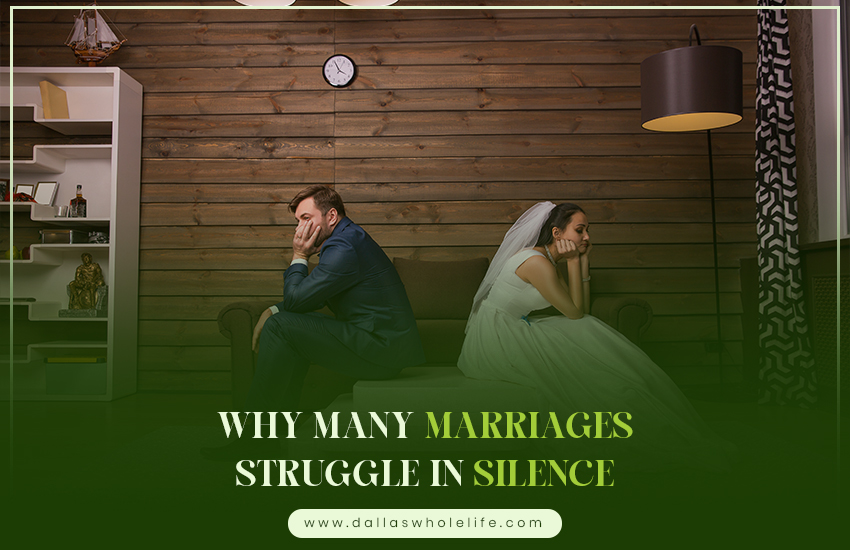
Why Many Marriages Struggle in Silence
Marriage problems often build quietly until they feel overwhelming and turn into big ones, like:
- Communication breakdown: Partners stop truly hearing or understanding each other.
- Trust struggles: They stem from betrayal, insecurity, and sometimes past trauma.
- Financial stress: This constant tension is the leading cause of conflict and even divorce if unaddressed.
- Intimacy decline: A common shift caused by life stressors like kids or work, and aging/hormones.
Many couples stay silent because of shame or the belief that,
“This is what just marriage is like after a while.”
However, breaking the silence is the only way to rebuild the foundation.
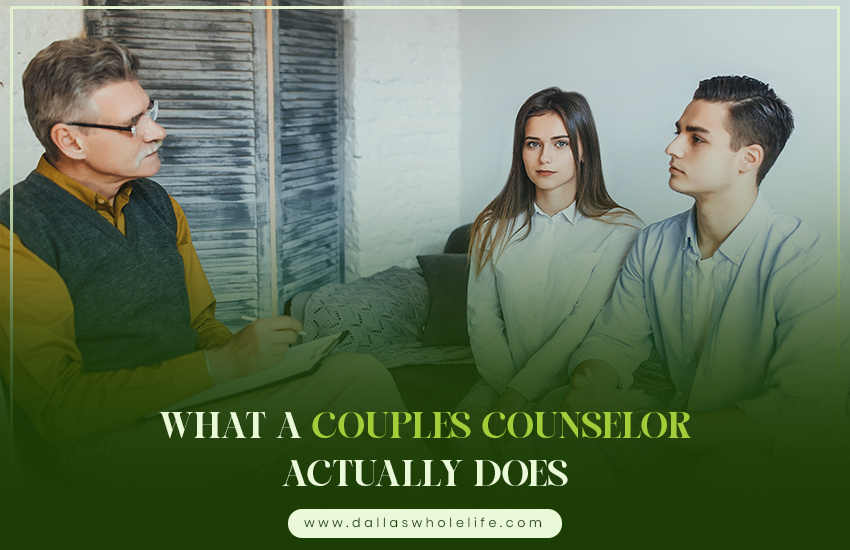
What a Couples Counselor Actually Does
A couple’s counselor creates a safe space where partners communicate openly, aiming to understand each other and resolve conflicts. They help them identify negative patterns, build empathy, and learn skills like active listening and setting boundaries. This, as a result, empowers them to strengthen their connection or navigate the separation constructively.
A counselor does not play blame games or take sides but instead helps couples clear misconceptions. They ensure that both voices carry equal weight and feel heard and validated. Their job is to provide the framework and the vocabulary so that, eventually, the couple sails through those difficult conversations at the kitchen table and start again without a professional present.
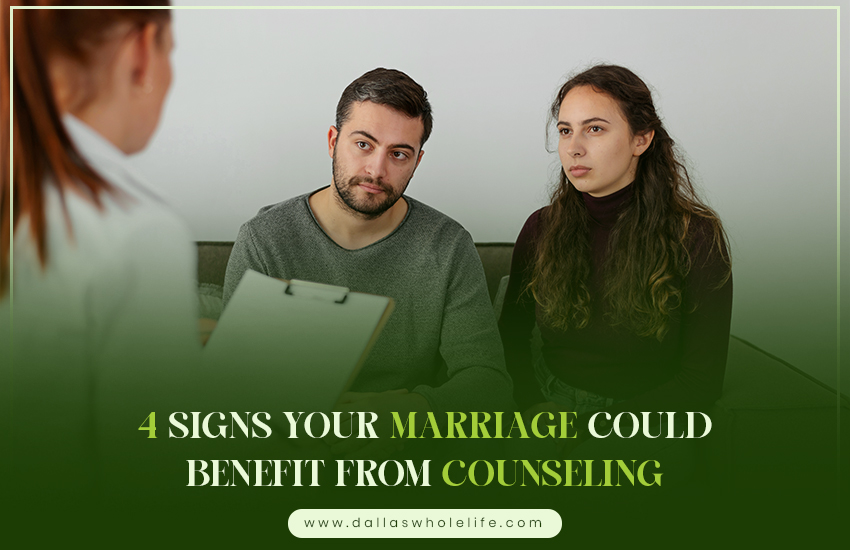
4 Signs Your Marriage Could Benefit From Counseling
The need for outside help is not a sign of failure. It shows that you value the relationship enough to invest in its repair. If you find yourselves stuck in the same painful loops, counseling can provide the “circuit breaker” needed to change course.
Here are four definitive signs that your marriage could benefit from professional guidance:
- Frequent arguments or a “wall of silence”: When communication breaks down, it usually goes to one of two extremes: high-conflict explosions or total withdrawal.
- Emotional isolation or loss of intimacy: Intimacy is the glue that distinguishes a marriage from any other relationship. When that glue thins or emotional distance occurs, the bond begins to slide.
- Trust issues (infidelity, secrecy): Trust is hard to build and incredibly easy to shatter. Once compromised, it is nearly impossible to rebuild it without a structured process.
- Feeling more like roommates than partners: This is often the most subtle sign, as it can feel “peaceful” on the surface while the relationship is actually starving.
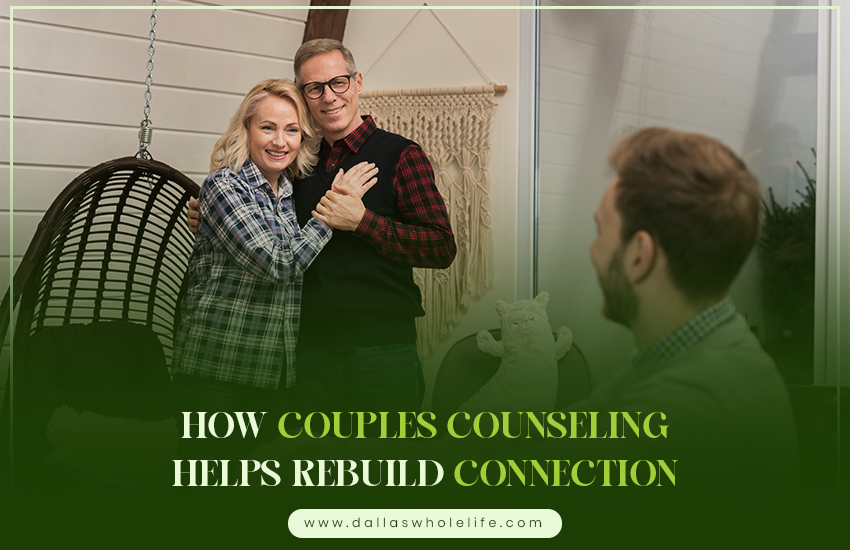
How Couples Counseling Helps Rebuild Connection
The ultimate goal of couples counseling is not to stop the fighting but to build a new, stronger bridge where the old one collapsed. By the time a couple reaches out for help, they have usually exhausted their own toolkits. A therapist provides a new set of instruments designed to move from reactivity to connection.
- Communication skills: Counseling assists in learning to listen to understand, rather than listening to retort, and helps individuals identify their core needs so they can express them clearly.
- Conflict resolution tools: Conflict is inevitable, but how you combat it is optional. A therapist provides a framework for “fighting fair.”
- Rebuilding trust: Trust is not rebuilt by saying “I’m sorry” once. Couples therapy helps you rebuild it through a consistent series of small, honest actions over time.
- Reviving intimacy: In cases where physical intimacy has completely stalled, counselors may use graduated exercises to help couples reconnect through touch in a low-pressure, non-sexual way first.

A Stronger Marriage Starts With One Conversation
A struggling marriage should not be your “new normal.” The silence. The distance. The repetitive arguments. They are often just signals that the current steps you are taking are no longer enough for the challenges you’re facing, and it is time to ask for help.
Don’t think of help as failure. It is a courageous step you can take for the person you love and the life you’ve built together. You don’t have to navigate the path back to each other alone. At Dallas Whole Life, our experienced couples therapists specialize in helping partners move past blame and reconnect with the friendship and intimacy that brought them together in the first place.
So, don’t wait for the “perfect time” to fix what’s broken. Start the conversation that could change everything. Schedule a consultation and speak with a specialist to find the right therapist for your needs.
Frequently Asked Questions (FAQs)
Q1: Can marriage counseling save my marriage?
Yes. It can if both partners want to. Statistics show optimistic outcomes with many couples revealed that it improved their emotional health and reduced stress, though it’s not a guaranteed fix.
Q2: Can couples therapy help couples get back together?
Absolutely! Couples therapy can help you and your partner rekindle your love for one another, even if it feels like those feelings have faded.
Q3: How do you know if your marriage needs counseling?
In “Four Horsemen“, research by Dr. John Gottman identifies four specific communication styles, Criticism, Contempt, Defensiveness, and Stonewalling, as the most reliable predictors of divorce. If these have become your primary ways of interacting, counseling is surely the next step to take.
Q4: How to save a failing marriage?
Saving a failing marriage needs shifting focus to positivity. You must improve communication with kindness and active listening and rebuild intimacy through shared vulnerability and appreciation. Partners should take responsibility for their own actions. You can also seek professional couples therapy.

