

PTSD counseling provides a structured way to handle the intense feelings that follow a traumatic event. This therapy helps you feel safe. It settles your racing heart quickly. Specialized clinicians teach you how to remain calm even when your past tries to intrude on your present. Working with a professional creates a stable foundation for your mental health to flourish.
You gain tools to manage heavy reactions. The process is very helpful. It changes how you think. Dallas Whole Life Counseling helps you regain control by focusing on the connection between your mind and body. You learn to recognize the physical signs of distress before they become overwhelming. This proactive approach builds lasting resilience.
The National Institute of Mental Health notes that professional support is vital for recovery.
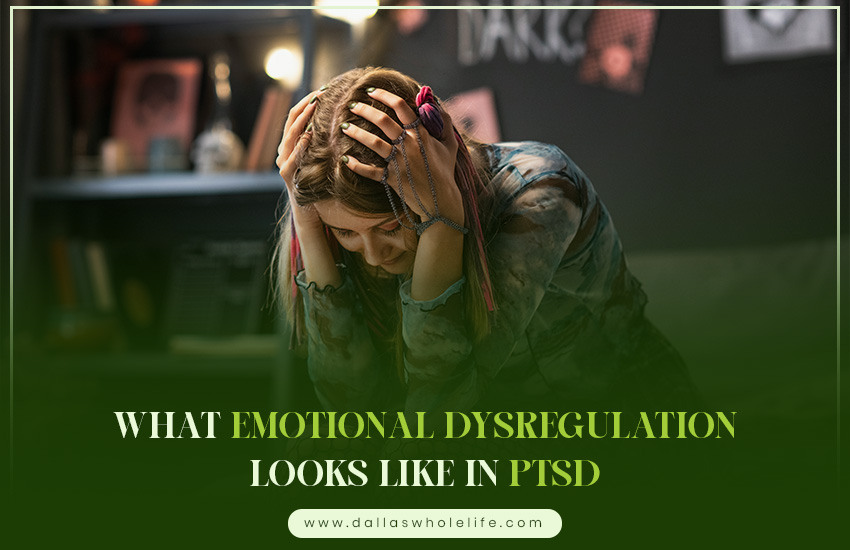
What Emotional Dysregulation Looks Like in PTSD
Trauma changes how you perceive the world around you. Your brain stays alert for danger. It scans every room for exits. This constant vigilance makes tiny stressors feel like massive threats to your safety. It is a biological survival mechanism, not a flaw in your personality. Your nervous system is simply trying to keep you alive.
Maybe you snap at people you love for no reason. Sudden bursts of anger often hide deep-seated fear. You might also feel completely numb. These swings between high energy and total shutdown are exhausting for anyone. Such reactions reflect a system stuck in a loop. Healing begins when you acknowledge these responses without judgment.
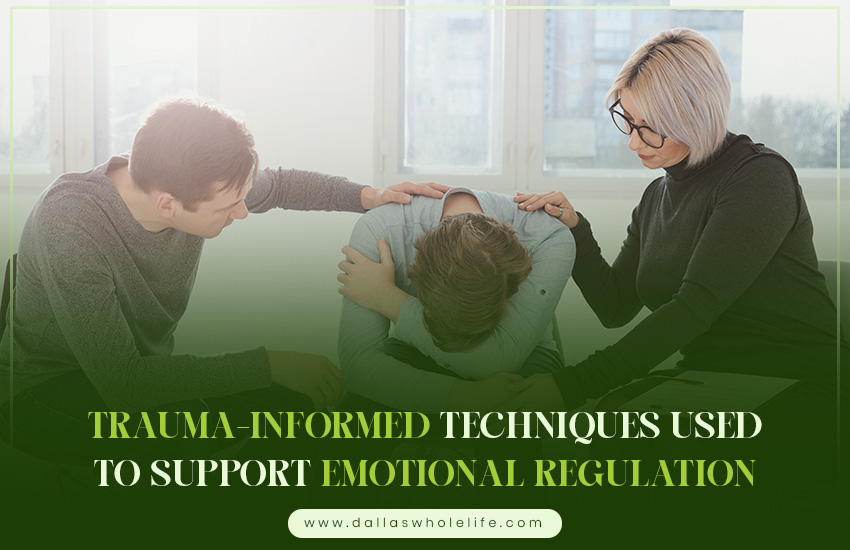
Trauma-Informed Techniques Used to Support Emotional Regulation
Therapists use specific methods to help your brain heal. Cognitive Processing Therapy (CPT) addresses the beliefs that keep you stuck. You might examine thoughts about trust.
- Mindfulness helps you stay in the current moment.
- Somatic techniques reconnect your mind and body safely.
- Emotion regulation skills come from DBT frameworks.
- Gradual exposure helps reduce sensitivity to specific triggers.
According to the Mayo Clinic, trauma therapy can significantly reduce the severity of these symptoms.
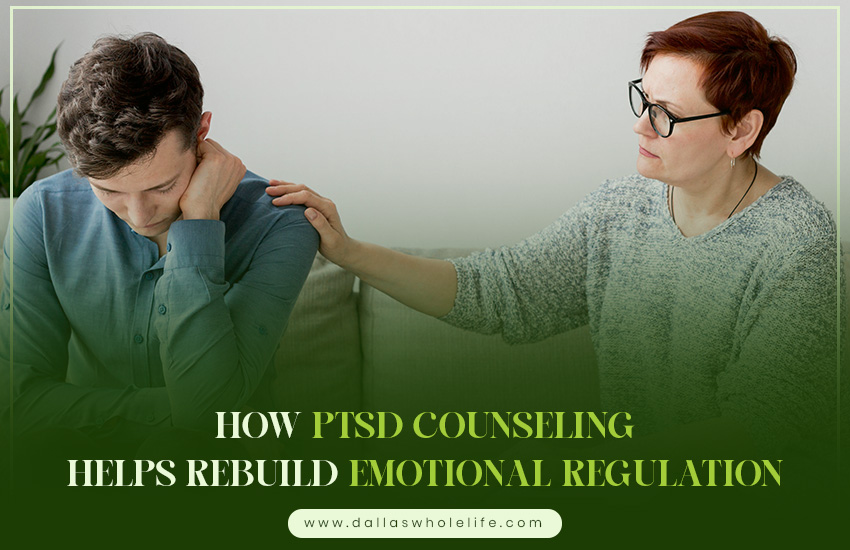
How PTSD Counseling Helps Rebuild Emotional Regulation
Healing happens when you feel secure in your environment. Counseling creates a sanctuary where you can explore difficult memories. This stability allows the brain to begin its natural repair process.
- Creating emotional safety within every session.
- Identifying specific trauma responses in real time.
- Teaching stabilization through various grounding tools.
- Restoring the ability to pause before reacting.
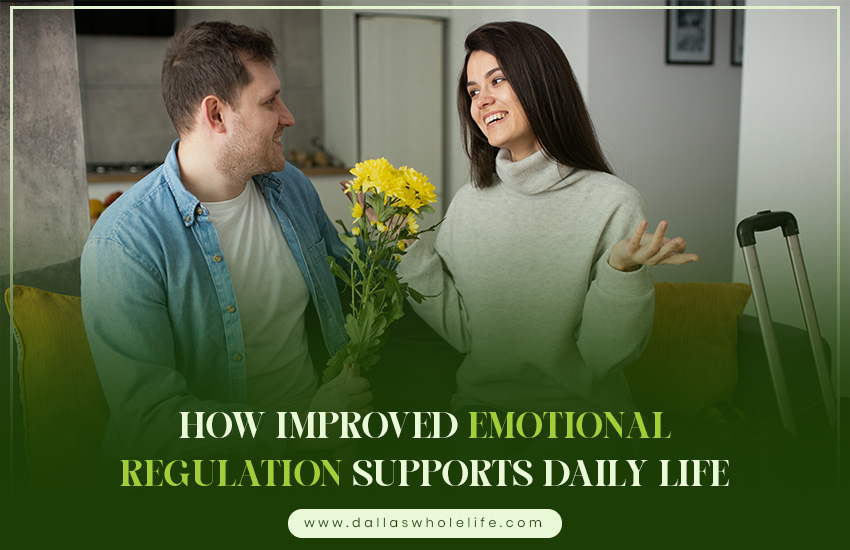
How Improved Emotional Regulation Supports Daily Life
Life becomes more manageable when your emotions feel steady. You find that you can handle stress. You feel strong and capable. Relationships usually improve because communication becomes clearer and much more honest. When you are not constantly on guard, you can truly connect with others.
- Reduced frequency of sudden emotional spikes.
- Feeling more in control of your daily choices.
- Better sleep quality and lower general anxiety.
- Confidence in managing unexpected triggers at work.
Start PTSD Counseling at Dallas Whole Life Counseling Today
You do not have to carry this heavy burden alone. Our team provides professional care for those seeking PTSD counseling. We help you find a path back to yourself. You deserve to feel at peace.
Reach out today to schedule an appointment. Your mental health deserves this focused attention. We are ready to help you thrive.
Frequently Asked Questions (FAQs)
Q1: What are the symptoms of emotional dysregulation in PTSD?
Symptoms include intense irritability and frequent mood swings. People often experience overwhelming shame. You might feel on edge. This indicates a nervous system that cannot return to a calm state easily.
Q2: How does PTSD affect emotions?
Trauma alters the brain’s emotional processing centers. It heightens the amygdala’s response to perceived threats. This leads to intense emotional reactions. You might feel things more deeply than others do.
Q3: How does emotional dysregulation affect relationships?
It creates barriers to intimacy and honest communication. Unpredictable reactions can confuse or hurt partners. You might withdraw from social situations, which often leads to deep feelings of loneliness.
Q4: What are the strategies for emotional regulation?
Effective strategies include deep breathing and physical grounding. Labeling emotions as they arise helps reduce their intensity. You can practice these daily.

