

Yes. Meditation helps anxiety and depression by training the brain to focus on the present moment while reducing reactivity to stressful thoughts. Regular practice lowers cortisol levels. It also strengthens neural pathways associated with emotional regulation. You can think of it as a workout for your mind that quiets the noise.
Research published by Harvard Health Publishing suggests that mindfulness meditation can rival the effectiveness of antidepressant medications for some individuals.
While it works wonders for many people, it is most effective when combined with other treatments like cognitive behavioral therapy. According to studies from the National Center for Complementary and Integrative Health, mindfulness programs show moderate evidence for improving anxiety as well as depression.
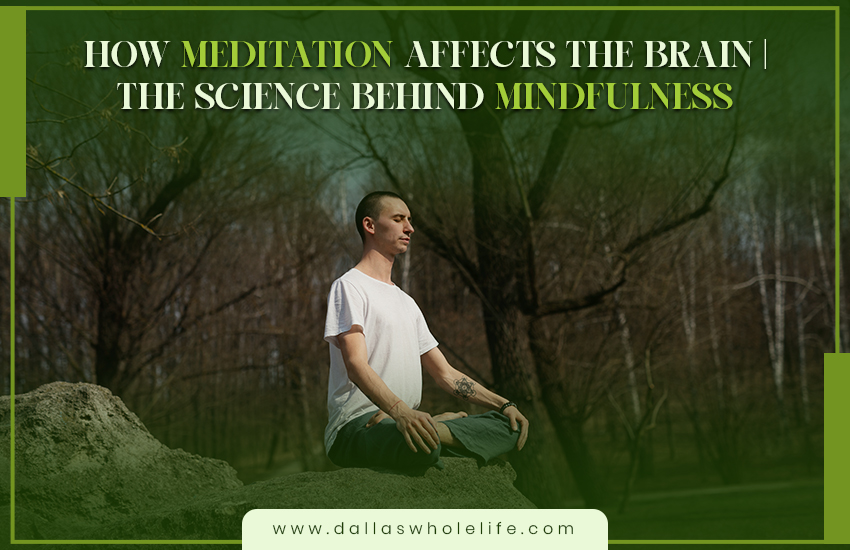
How Meditation Affects the Brain | The Science Behind Mindfulness
Meditation is not just relaxation. It changes how the brain processes stress and emotions. By practicing mindfulness, you reduce activity in the brain’s fear center (amygdala) and strengthen emotional regulation areas (prefrontal cortex). This neurological shift improves stress recovery time and increases awareness of thoughts without reacting to them, allowing for emotional balance and a more grounded mental state.
Think of mindfulness as a buffer between a trigger and your response. We need to be clear about its limits, though. While these brain changes are profound, meditation isn’t a standalone cure for severe mental health conditions. It supports mental health significantly. However, it cannot replace professional therapy when symptoms impact your daily functioning.
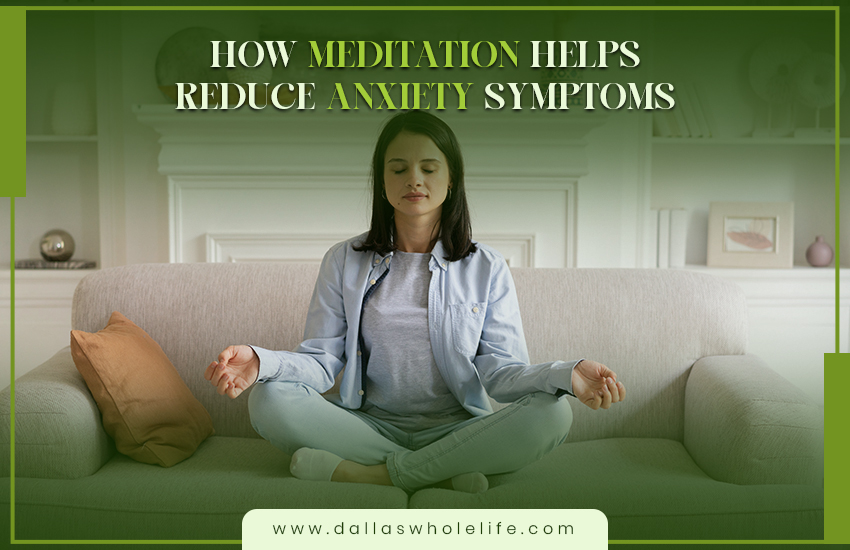
How Meditation Helps Reduce Anxiety Symptoms
Anxiety often stems from a fear of the future or pondering on “what ifs” that haven’t happened yet. Mindfulness pulls you back to right now. By grounding yourself in the present, the physical grip of anxiety starts to loosen.
- Calms racing thoughts and improves focus
- Reduces physical tension and shallow breathing
- Improves ability to tolerate uncertainty
- Lowers baseline stress response
- Helps break overthinking cycles
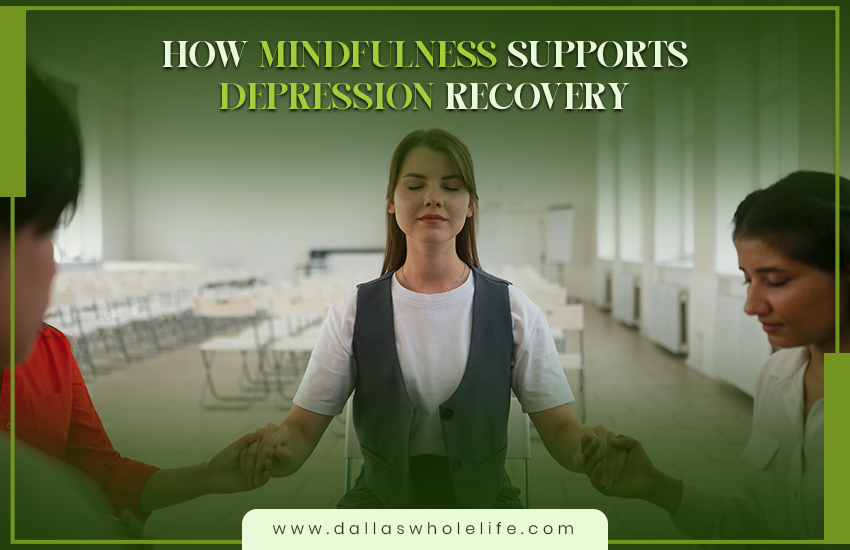
How Mindfulness Supports Depression Recovery
Depression often feels like a heavy blanket that makes everything seem gray. Mindfulness helps you poke holes in that blanket. You start to see that your thoughts are just words, not facts.
- Increasing awareness of negative thought patterns
- Creating space between thoughts and identity
- Improving emotional acceptance
- Reducing self-criticism
- Supporting mood stability over time
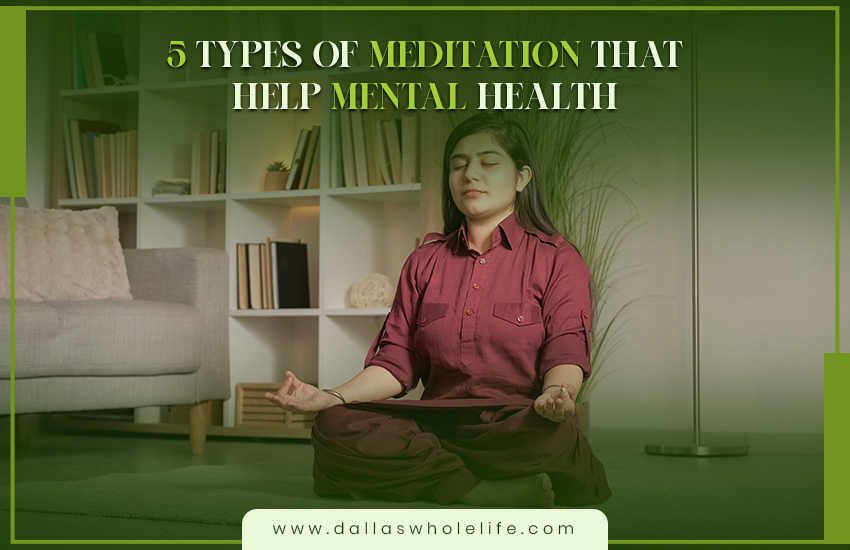
5 Types of Meditation That Help Mental Health
You don’t have to sit still for hours to see the benefits of meditation. Different people respond to different techniques. So, exploring various styles helps you find what resonates with you. The right technique depends on what your mind needs today, and helps you stick with the habit.
- Breathing meditation: This involves focusing entirely on the sensation of air entering and leaving the body.
- Body scan: You mentally move through every part of your physical form to release stored tension.
- Loving-kindness meditation: This practice focuses on developing feelings of goodwill and compassion for yourself and others.
- Guided visualization: You imagine a peaceful scene or a specific positive outcome to shift your mental state.
- Mindful walking: This technique integrates movement with awareness of your feet hitting the ground.
Signs You May Need More Than Self-Help Techniques
Meditation is a wonderful resource, but it has limits. Sometimes the brain requires more intensive support than a meditation cushion can provide. If you find that your struggles are interfering with your ability to work or maintain relationships, reaching out for help is a sign of strength.
- Symptoms lasting more than two weeks
- Panic attacks or constant worry
- Loss of interest or motivation
- Sleep and appetite changes
- Feeling hopeless or emotionally numb

Start Building Emotional Balance with Meditation & Mindfulness Training at DWLC!
We want to help you find your center again at Dallas Whole Life Counseling. Our team shows you how to use these tools in real life. We provide a safe space to talk about what’s bothering you.
- Work with counselors who care about your progress.
- Learn skills that stick with you forever.
- Find relief from the heavy weight of worry
We are here to support every aspect of your well-being. Reach out to us to see how we can help.
Frequently Asked Questions (FAQs)
Q1. What is the best meditation for anxiety and depression?
Mindfulness-Based Cognitive Therapy (MBCT) is frequently cited as the most effective choice. It specifically targets the reactivity and cycles of negative thinking common in both conditions.
Q2. How does mindfulness meditation affect the brain?
It reshapes the brain through neuroplasticity, increasing gray matter density in areas responsible for learning, memory, and emotion regulation while shrinking the amygdala, the brain’s fear center.
Q3. What is the connection between mindfulness and meditation?
Mindfulness represents the quality of being present. Meditation serves as a formal exercise used to develop that presence.
Q4. Can mindfulness meditation really CURE anxiety and depression?
No, it is a management tool, not a permanent cure. It can lead to long-term reduction of symptoms. However, most people find the best results by combining it with professional therapy.

