

For a long time, the standard for depression treatment was defined by the clinical office setting. You’d have to fight traffic and then sit in a waiting room before you meet face-to-face with a therapist in a private room. This has helped many people. But it’s also a lot of work, especially when depression makes it harder to even get out of bed. For many, the old way of doing things is actually a barrier to help.
Thankfully, things have changed. With better technology and secure video calls, therapy has moved from the office to your living room. You no longer have to plan your entire day around a single appointment. This shift to virtual care means that mental health support is now fit into your actual life, rather than making you work around a doctor’s schedule.
Today, online therapy is a top choice for treating depression, not just a “plan B.” By moving care online, we’ve removed the hurdles, making it much easier for everyone to get the support they deserve.
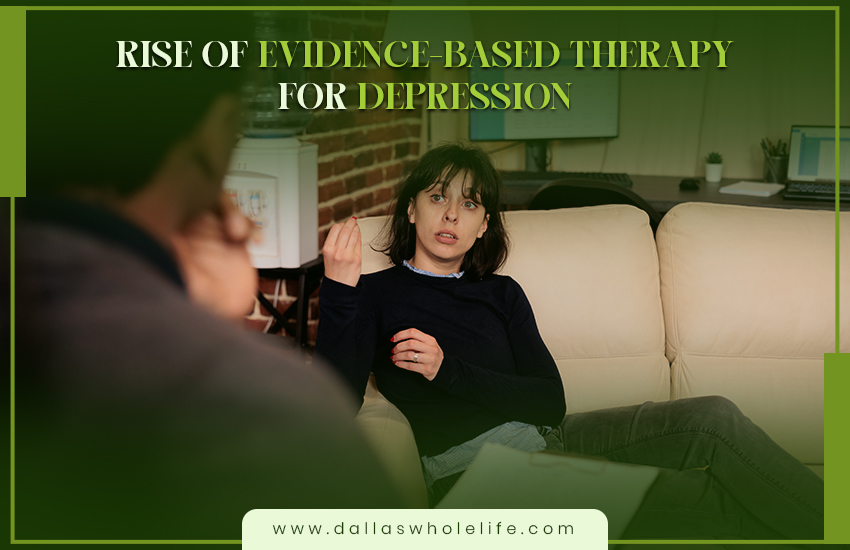
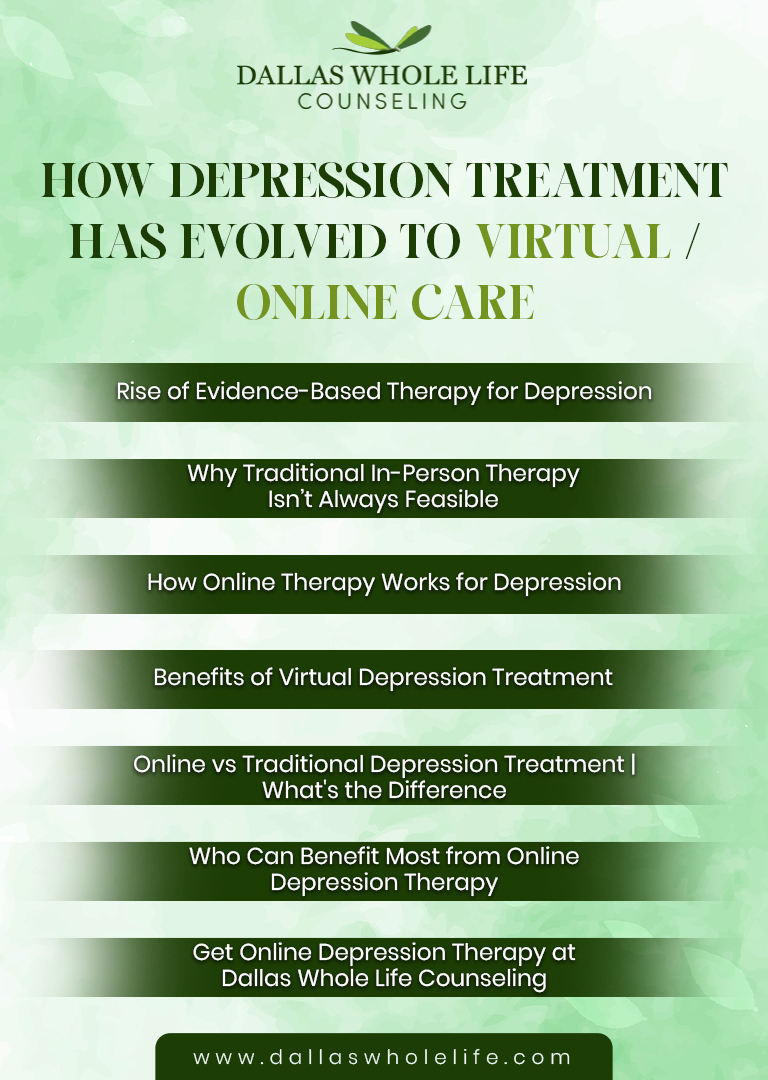
Rise of Evidence-Based Therapy for Depression
We don’t just “talk” in therapy; we use methods that have been scientifically proven to help people feel better. These are called “evidence-based” therapies because they have years of research showing they actually work to lift the fog of depression.
- Cognitive-Behavioral Therapy: CBT focuses on catching negative thoughts and replacing them with healthier ones to change how you feel.
- Acceptance and Commitment Therapy: ACT helps you accept your difficult feelings while still taking steps toward what matters most to you.
- Interpersonal Therapy: IPT looks at your relationships and how you communicate to help reduce stress and sadness.
- Mindfulness-based approaches: Meditation teaches you how to stay present in the moment instead of getting lost in worries about the past or future.

Why Traditional In-Person Therapy Isn’t Always Feasible
Even though some people like the feel of a physical office, the “old school” way isn’t always practical. When you’re struggling with depression, small obstacles can feel like giant walls that stop you from getting help.
- Scheduling conflicts and time constraints
- Travel and commute challenges
- Limited access in certain areas
- Stigma or discomfort with visiting a clinic
- Difficulty maintaining consistent sessions
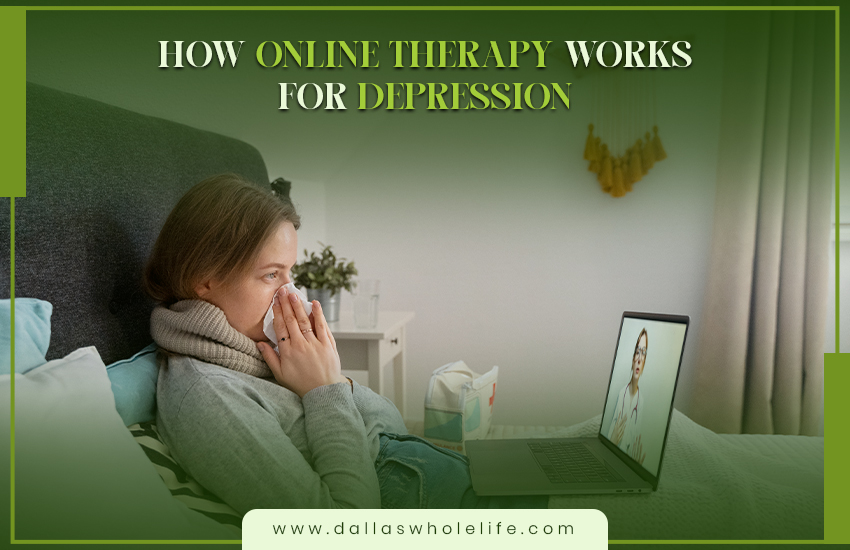
How Online Therapy Works for Depression
Online therapy is simple: it’s a private, secure video call or phone call between you and your therapist. You get to stay in your favorite chair, with your own coffee (or your dog) right next to you. It’s designed to feel just as personal and focused as an office visit, but without the stress of travel.
You’ll work with the same licensed professionals and use the same proven tools as you would in person. Your therapist will help you look at your thoughts, your daily habits, and your emotional patterns. Because it’s all digital, it’s also much easier to keep track of your progress and stay consistent with your sessions.
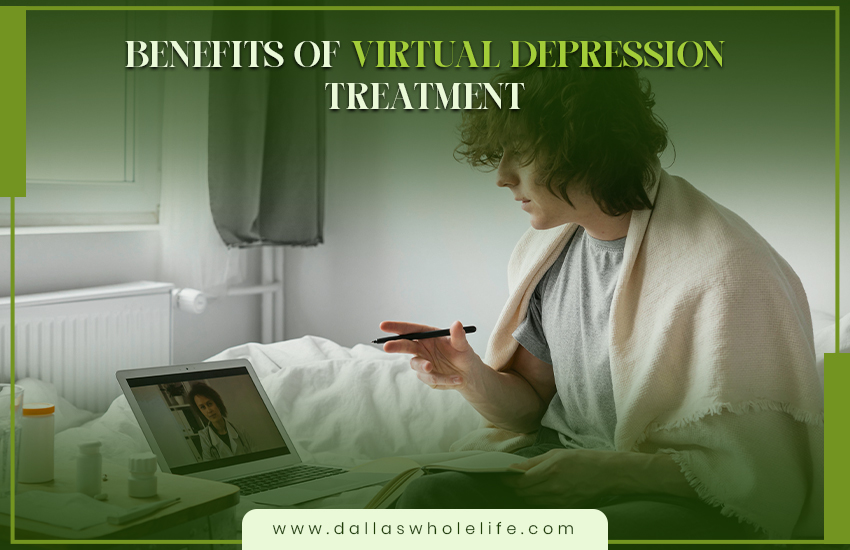
Benefits of Virtual Depression Treatment
The biggest win with online depression therapy is that it makes getting help easy. When you can start a session with just one click, you’re much more likely to stick with it. Consistency is the secret ingredient to feeling better over the long term.
- Greater accessibility and convenience
- Ability to attend sessions from home
- Flexible scheduling options
- Increased privacy and comfort
- Easier consistency in long-term treatment

Online vs Traditional Depression Treatment | What’s the Difference
| Feature | Online Therapy | Traditional In-Person Therapy |
| Location | Anywhere with an internet connection | A doctor’s office or clinic |
| Commute Time | 0 minutes | Variable (can be 30–60+ minutes) |
| Scheduling | Higher flexibility; easier to fit into breaks | Often limited to standard business hours |
| Comfort Level | High (your own familiar environment) | Moderate (professional, clinical setting) |
| Privacy | Discreet; no risk of waiting room encounters | Visible; involves entering a public building |

Who Can Benefit Most from Online Depression Therapy
- Individuals with mild to moderate depression
- People with busy or unpredictable schedules
- Those who feel more comfortable at home
- Individuals seeking privacy and flexibility
- People who want easier access to consistent care
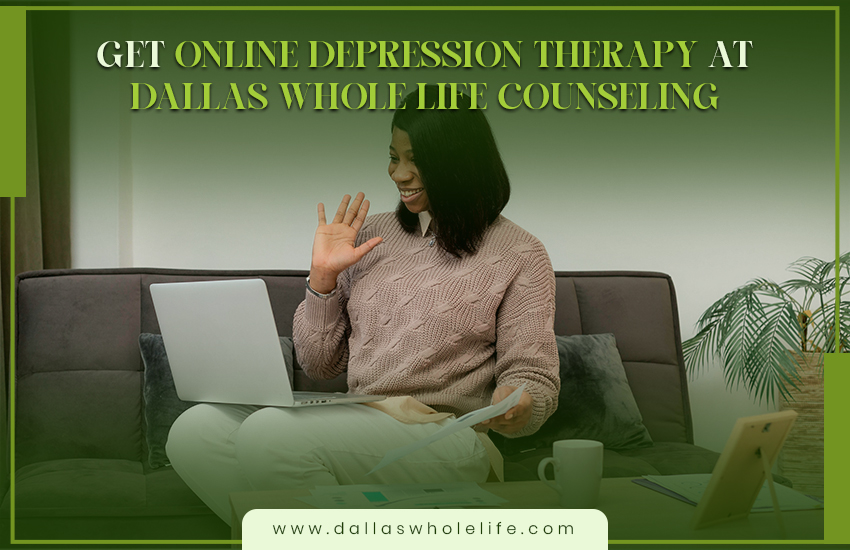
Get Online Depression Therapy at Dallas Whole Life Counseling
At Dallas Whole Life Counseling, we know that depression is heavy enough without adding more stress to your plate. That’s why we’ve made our therapy services available online. We want to make sure the help you need is always just a click away. We meet you exactly where you are. So, you can start feeling like yourself again.
Our team is full of friendly, licensed experts who know exactly how to help you navigate depression. We use the best, proven methods to help you find your way out of the dark. We believe that top-tier mental health care should be easy to reach, no matter how busy your life is or where you live.
Ready to start feeling better? Neither do you have to do this alone, nor do you even have to leave your house to get started. Contact Dallas Whole Life Counseling today to set up your first online session. Let’s work together to get you back on track.
Frequently Asked Questions
Can virtual reality help with depression?
Yes. VR can help treat depression, with studies showing it can be as effective as traditional behavioral activation, reducing symptoms by allowing users to engage in therapeutic activities from home.
Is therapy more effective, in person or virtual?
Research indicates that virtual therapy is generally just as effective as in-person therapy for treating common mental health conditions like depression, especially when using Cognitive Behavioral Therapy (CBT). Both formats provide comparable clinical improvements, with virtual therapy offering superior accessibility and in-person provide a deeper, more direct rapport.
How are psychologists using virtual reality technology during therapy and treatment?
Psychologists use virtual reality (VR) to deliver immersive exposure therapy. This way, patients safely confront phobias, PTSD, and anxiety disorders in controlled, simulated environments. By using headsets to simulate scenarios like heights or flying, therapists guide patients through desensitization in real time.
What is the newest treatment for depression?
The contemporary and most notable advancements in depression treatment are at-home neurostimulation devices and accelerated TMS for treatment-resistant depression.
