

Relationships thrive on the quality of the connection between two people. When that connection begins to convert into conflict, it usually shows up first in the way you talk to each other. Many couples see even simple requests turning into heated debates or icy silence. Marriage counseling provides a structured environment where you look at these habits without the immediate pressure of an audience or a domestic schedule.
Working with a professional allows for a shift in perspective. Instead of seeing your partner as the problem, you start to see the communication gap as the obstacle you need to tackle together. A therapist acts as a guide, pointing out where the wires are getting crossed. So, you can reconnect. This process transforms how you interact on a daily basis.
Research suggests that many couples wait far too long (almost 6 years) before seeking help. Proactive intervention strengthens the bond before resentment settles in deeply. By learning these skills early, you protect the long-term health of your partnership and build a foundation that lasts through various life stages.
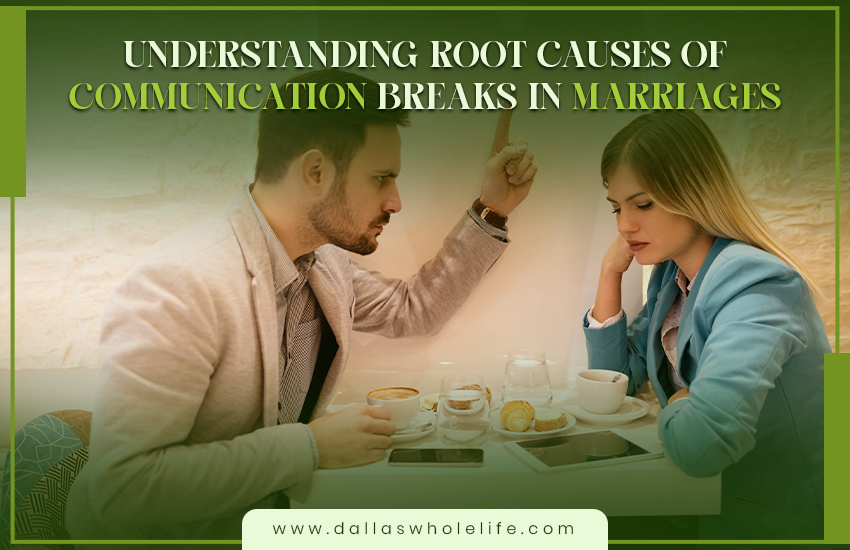
Understanding Root Causes of Communication Breakdowns in Marriages
Most couples don’t wake up one day and decide to stop caring. The reality is they care deeply. However, they lose the ability to show it effectively. Over time, life gets heavy. The pressure of a demanding job or the exhaustion of raising children drains your emotional reserves. When you are tired, you are less likely to respond with grace. You are more likely to react with frustration.
These breaks in communication stem from emotional defensiveness. If you feel unheard for long enough, you start avoiding difficult topics just to keep the peace. However, this peace is an illusion that masks growing distance. It is less about the specific words spoken. But more about how you respond to each other’s emotional needs during those moments of tension.
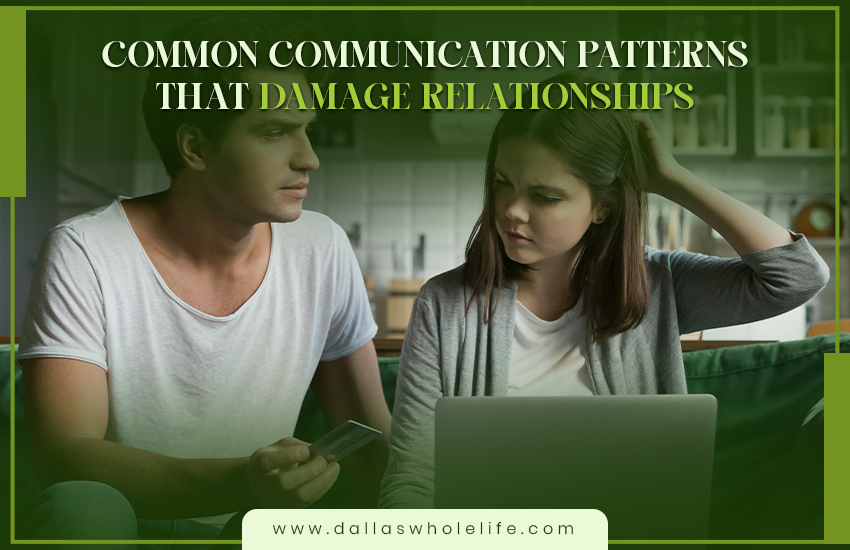
Common Communication Patterns That Damage Relationships
Harmful habits sneak into a marriage unnoticed. They start as occasional reactions. Then, they eventually become the default mode of interaction. Recognizing these behaviors is what can change the trajectory of your relationship.
If you notice the following patterns, it is a sign that your dynamic needs a fresh approach.
- Criticism instead of expressing needs
- Defensiveness during discussions
- Blaming or attacking language
- Silent treatment or emotional withdrawal
- Interrupting or not actively listening
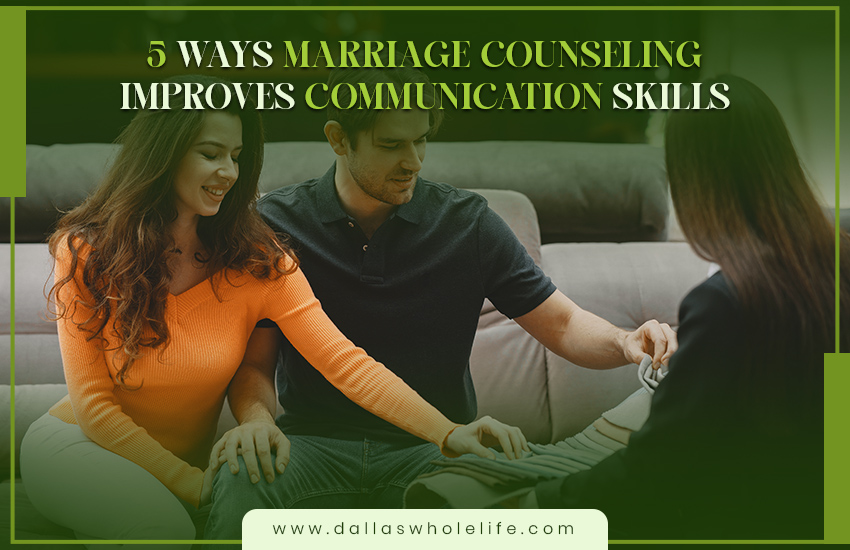
5 Ways Marriage Counseling Improves Communication Skills
Therapy provides the tools needed to rebuild trust and clarity. You do not just talk about your problems. You learn a new language for your relationship. These sessions focus on practical skills that change how you feel when you sit across from your spouse.
- Learning to express feelings without blame: Using “I” statements to describe your internal experience.
- Developing active listening skills: Hearing the intent behind the words rather than preparing a response.
- Comprehending emotional triggers: Identify the specific behaviors or words that cause an immediate negative reaction.
- Replacing conflict cycles with healthy dialogue: Break the habit of reacting. Starting the habit of responding.
- Creating emotional safety in conversations: Ensure both partners feel secure enough to be vulnerable without fear of rejection.
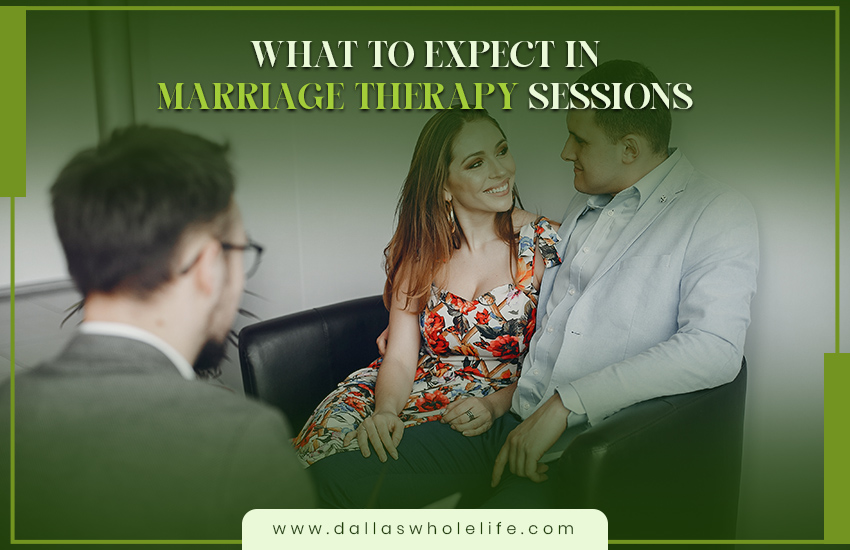
What to Expect in Marriage Therapy Sessions
Walking into a therapy room might feel uncertain at first. Your therapist will help you identify the specific triggers that lead to your most common arguments. You will practice new ways of speaking and listening right there during the session, receiving feedback in real time. This hands-on approach ensures that you don’t just learn theory. You actually change your behavior.
- Guided conversations with a neutral therapist
- Homework exercises to apply in real life
- Gradual improvement in communication and insight
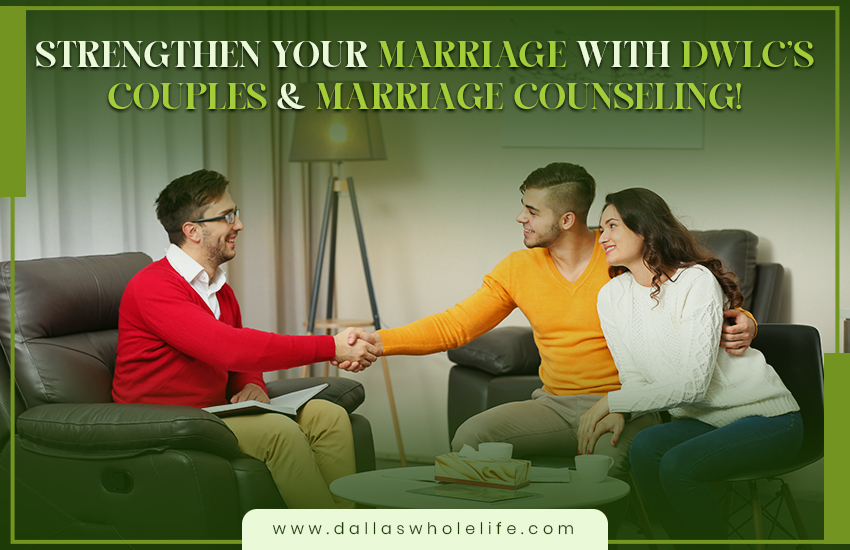
Strengthen Your Marriage with DWLC’s Couples & Marriage Counseling!
You deserve a relationship that feels like a refuge. Do you find yourselves stuck in the same arguments week after week? Then, it might be time to try something different. Our team at Dallas Whole Life is here to help you find your way back to each other. We provide a supportive space where you can be honest about your relationship struggles. You can be hopeful about your future.
Reaching out for help is a sign of strength. It reflects commitment to your partner. It shows that you value the bond you have built. You want to see it flourish. We work with couples at every stage.
There is no “perfect” time to start. However, there is a right time for you. Contact us today to schedule your first session.
Let’s work together to bridge the gap and build the communication skills you need for a lasting, happy marriage. Your path to a better connection starts with couples counseling.
Frequently Asked Questions
How can counseling improve communication skills?
Therapy helps couples learn how to articulate their needs clearly, listen actively, and then respond with empathy. It fosters active listening and emotional awareness through structured, safe practice
What causes a lack of communication in marriage?
- Hectic schedules
- Fear of conflict
- Poor communication skills
- Unresolved trust issues
How to strengthen communication in marriage?
By practicing active listening without interruptions. Use “I” statements to express feelings. Schedule regular, undistracted check-ins. Focus on empathy and validate your partner’s perspective. You must address expectations openly to prevent resentment.
What are the 4 communication styles in marriage?
- Assertive
- Passive
- Aggressive
- Passive-aggressive

